Secrets Your Eye Doctor Won’t Tell You
Eye doctors reveal their secrets for the best way to take care of your eyes to improve your overall eye health
Secrets your eye doctor won’t tell you
An annual visit to the eye doctor, or optometrist, usually involves reading an eye chart, a cover test to see how well your eyes work together, and other comprehensive exams that test eye movements and depth perception. At the end of your yearly eye visit, your doctor shares the results, and encourages you to maintain good eye health. However, your optometrist may not be so candid when it comes to the way you take care of your eyes.
Sunglasses aren’t just a fashion statement
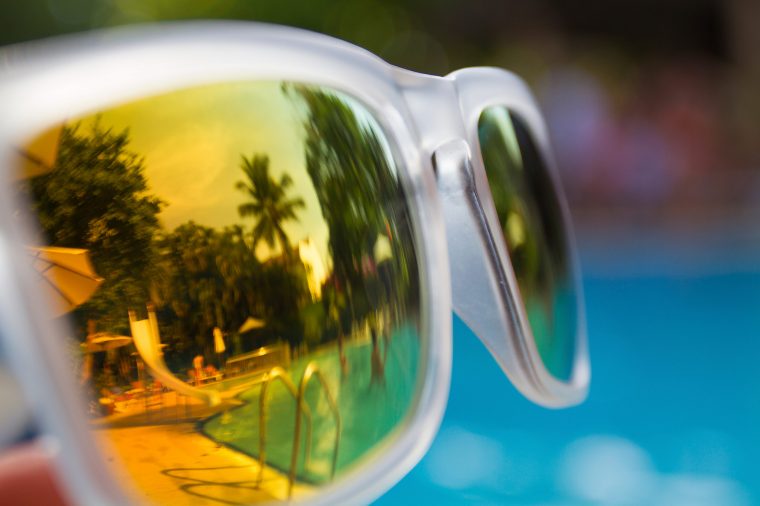
“Most people know that UV radiation can damage skin, but they don’t realize it’s also bad for eyes. You wear your sunglasses only when it’s sunny? That’s like saying ‘I only smoke sometimes.’ Wear sunglasses big enough to block the light from above and below—they should have thick sides or wrap around.
Carrots aren’t the secret to eye health
“Despite what generations of parents have told their kids, carrots aren’t the best food for your eyes. That honor goes to spinach
Polarized isn’t best for every situation
“Polarized sunglasses are great at reducing glare, but they can make it difficult to see the LCD on your cell phone or navigation system. It’s harder to see an ATM screen when you’ve got polarized sunglasses on too.”

Useful Eye Care Tips
Optical Store Near You
Your eyes don’t only help you navigate in your daily life. They are often the first to signal problems such as diabetes and high blood pressure. Taking simple steps to keep your body and eyes healthy can help prevent serious physical and ocular conditions such as age-related macular degeneration (AMD), cataracts and retinal detachment.
Reasons to Look After Your Eyes
By routinely getting your eyes examined and eating a healthy diet, you diminish your risk of developing AMD — especially the ‘wet’ form — and cataracts. Furthermore, by wearing the right eyewear for your lifestyle, you can avoid injuring your eyes.
There are many ways to protect your ocular health.
Have comprehensive dilated eye exams on a regular basis. This is the single best thing you can do for your ocular health. It’s simple and painless. Even if you’re convinced that your eyes are healthy, you may have an undetected problem that could worsen over time, as many serious eye diseases don’t show any symptoms or warning signs in their early stages. These diseases can only be detected through a dilated eye exam, and the earlier they’re identified, the easier they are to treat.
Getting frequent eye exams ensures that your visual acuity and physical health remain in check.To schedule an exam, contact Family EyeCare Clinic today. We’re just a click away!
Wear the right eyewear for your activity. Wearing blue-light glasses when using the computer or wearing UV-protective sunglasses while outdoors can protect your eyes from harmful UV or blue light rays. Blue-light glasses help reduce or prevent digital eye strain, while UV-blocking sunglasses limit your exposure to harmful sunlight.
Give your eyes a break. Aim for at least eight hours of shut-eye per night. In addition to sleeping, you can give your eyes a much-needed break by frequently looking away from the screen and staring at things in the distance.
Follow contact lens hygiene protocols. Because debris and proteins can accumulate on your contact lenses, it’s important to regularly disinfect and clean them to prevent an eye infection. If it’s too arduous to follow a cleaning routine, you can opt for disposable daily wear contacts.
Eat a balanced diet. For your eyes’ sake, make sure to get the right amount of nutrients and eat a healthy and balanced diet. In fact, certain antioxidants have been shown to effectively reduce the risk of developing age-related macular degeneration and other serious ocular conditions. These include Lutein and zeaxanthin, Omega-3 fatty acids, Vitamins C and E, and Zinc.
Don’t smoke. Smoking doesn’t just harm your lungs. It can also heighten your risk of developing macular degeneration and cataracts, and even damage your optic nerve — potentially leading to vision loss.
Exercise. Being physically active helps you not only feel great, but also lowers your risk of developing health conditions like diabetes, high blood pressure and high cholesterol — all of which can lead to eye problems. For example, people with diabetes run the risk of developing diabetic retinopathy, which can lead to vision loss and blindness.
Experiencing Vision Changes or Problems? Don’t Wait!
It’s not uncommon for people with vision problems to wait far too long before getting their eyes examined. If you’re experiencing vision problems, such as blurred vision, halos, blind spots, and floaters, or any ocular pain or other worrying symptoms, have your eyes checked as soon as possible.

Eye care
Do you include eye care in your overall health care? If you’re seeing clearly, it’s easy to overlook routine eye care — but it’s still important. Regular eye exams can give your eye care specialist a chance to help you correct or adapt to vision changes, as well as detect eye problems at the earliest stage.
If you wear glasses or contact lenses, you might be considering laser eye surgery as part of your eye care. Understand who’s a good candidate for eye surgery, as well as the risks and benefits of surgery.
It can be tough to get a good night’s sleep. Work, household responsibilities and family commitments sometimes take priority over sleep. Factor in a partner’s snoring or unexpected challenges, such as financial worries or an illness, and quality sleep might be even more elusive. Still, you’re not doomed to toss and turn night after night.
To improve your sleep, consider simple self-care tips — such as sticking to a sleep schedule and relaxing before bed. If you’re thinking about using a sleep aid, know what you’re getting yourself into. Over-the-counter sleep aids can be effective for an occasional sleepless night, but they’re not meant for long-term use.
How can you tell whether a mental health issue is normal or not? It’s tricky. The line between normal and abnormal mental health is often blurred. Still, it’s helpful to consider your feelings, thoughts and behavior in relation to cultural norms and other benchmarks
Questions to Ask Your Eye Care Specialist
Take a Friend or Relative with You
It’s a good idea to have a friend or relative accompany you whenever you make a visit to an eye care specialist or any other health care provider. This person can be your memory jogger and remind you about questions you want to ask. Also, since your eyes will be dilated for the examination, you may need a driver and a pair of sunglasses to help with the glare and light sensitivity that can result from dilation.
[Note: In a comprehensive dilated eye examination, your doctor may use eye drops to see inside your eye more clearly and examine your retina and optic nerve.]
Your friend can also take notes about information the doctor gives you. In this way, you can concentrate on what is being said and ask additional questions that arise from these discussions.
Your friend can also be an emotional support if you’re feeling stressed or nervous about your appointment or eye condition. Often, just the presence of a close friend or relative can help you feel more at ease and relieve the anxiety associated with occasional long waiting times before the doctor sees you
Be Sure to Take Notes
When you make your appointment, ask if you can bring a recorder to help you remember information he or she shares with you. (Also, many phones now have built-in recorders.)
This way, you’ll be able to review conversations that took place during your appointment at a time when you feel more relaxed in the comfort of your own home.
If the doctor does not want to be recorded, ask if he or she can write down your diagnosis, including what, if any, further action you need to take.
Here are some suggestions for questions you can ask during your eye examination:
Can you go over the eye examination with me and tell me what tests to expect?
What is the cause of my vision loss?
What is my visual acuity?
Do I have a peripheral (side vision) field loss?
Is my condition stable, or can I lose more sight?
Do I qualify as legally blind? If so, what does legally blind actually mean?
What new symptoms should I watch out for?
Are there treatments for my eye condition?
When should the treatment start and how long will it last?
What are the benefits of this treatment and how successful will it be?
What are the risks and possible side effects associated with this treatment?
Are there food/drugs/activities I should avoid while undergoing this treatment?
If the treatment involves taking medication, what should I do if I miss a dose or have a reaction?
Are other treatments available?
What kind of tests are involved?
What do you expect to find out from these tests and when will I know the results?
Do the tests carry any risks or side effects?
Will more tests be necessary later?
Will you send the test results to my primary care physician?
How often will you schedule follow-up visits? Should I be monitored on a regular basis?
Am I still safe to drive?
Am I entitled to any special services or benefits?
What medical and rehabilitation resources are available to help me?
Will a low vision examination help? How does that differ from a comprehensive eye exam?

Signs You May Need Glasses
Many people don’t realize they have a vision problem. Perhaps they’ve gone years without glasses and haven’t noticed the gradual change in their vision. Or they’ve noticed a change, but put off a visit to an eye doctor
Are You Frequently Squinting and/or Experiencing Headaches?
Unless it’s unusually bright, there’s no reason to be squinting if your vision is clear. Although squinting may briefly enhance your eyes’ ability to focus, if done for too long it can tax your eyes and surrounding muscles, which can result in frequent headaches.
If you have to squint while working on your computer or using digital devices, you may be experiencing not only headaches but also digital eye strain or computer vision syndrome. The cure is often a pair of computer glasses, or blue light glasses, which are designed to block out or filter blue light. This can reduce headaches and squinting when using your digital devices.
Are You Struggling to See Up Close?
If the texts on your phone or restaurant menu look blurry, you may be farsighted. While reading glasses are a great option for near tasks, you’ll need to take them off for other activities. Consider getting progressive lenses, which change gradually from point to point on the lens, providing the exact lens power needed for seeing objects clearly at any distance. Progressive lenses help you comfortably see near, far, and in-between all day long.
Do You Struggle to See Things at a Distance?
If you’re having difficulty seeing objects at a distance, you may be myopic (nearsighted). Myopia is the most common cause of impaired vision in children and young adults. Consider a pair of glasses with high-index lenses, which are thinner and lighter than other lenses, along with anti-reflective coating.