How to become a successful DJ
How do I become a DJ? How can I get started on being a DJ? What do I need? Where should I go? These are some frequent questions we hear from our readers. So you want to be a DJ? You want to make the crowd move to your every whim. You want to be center stage and have all eyes on you. You want to be an artist, but don’t know where to start. We won’t go too much into the details, mostly because this is a very personal journey, but we can help you get started and give you a few terms you should know and skills you’ll need to learn.
Before we begin, let’s make one thing clear. This isn’t just a new adventure you’re embarking on, it’s a lifestyle change. It doesn’t matter why you want to be a DJ since everyone has their own reasoning. It’s a commitment to music that few people can understand, let alone match. Becoming a DJ is not for the faint of heart or introverted. It’s putting your soul out there for the world and saying “this is who I am!”, taking the slings and arrows of haters and fakers who think you’re trash or think they can do it better than you. You will have to deal with some of the worst kinds of people who don’t see you as an artist, but as a tool to make them money. If you can take all of that and still be yourself, you will find a career that is gratifying, challenging, exciting and most of all fun.
Getting Started on Becoming a DJ
First things first, what does a DJ actually do? Basically you’re the one who plays the music at any venue. That’s as simple as it gets, but there’s so much more. There’s the turntable master, the club DJ, the radio DJ and the mobile DJ. You can specialize in one, but a good DJ needs to be able to work a number of these disciplines. If you decide that you just want to be a club DJ, that’s fine. Just remember, this is your career. A basketball player that can shoot, but not be able to play defense, rebound, pass or dribble, is not going to make it onto any team. Becoming a DJ is no different. If you can mix different types of music, and you can change your style on the fly, you will open up as many opportunities available to you as possible. You will also need to be proficient with mixing and production software. This will be probably the most challenging part. Get intimate with the software. Learn what tools the software has to offer, and how they work — it will help you get accustomed to breaking down the music.
You don’t have to use software if you want to go “old school”. Scratching the old vinyls to their inevitable destruction is a highly respected form of the art, a lot of fun and the most difficult to master. It takes a bit of talent and a ton of skill to become a pure scratch DJ, but everyone loves a good one. Software is available to help speed up your workflow as a digital DJ, but your cool factor may not go quite as high. Being a scratch DJ is also very expensive in both time and money, driving around the city trying to find the few vinyl stores left is time-consuming, but worth it. However, spending $5 to $50 for a single record that only cost $8 on the day it originally dropped will really put a dent in the budget when you must have a hundred of them.
Here’s What You Must Do (5 Key Steps)
So the question is, how can new DJs using laptops, controllers, even tablets, improve their skills to become the “pros” of the new world of DJing? How can they learn the tricks, hacks and secrets of DJing that’ll make them stand out from the crowd, in a world where everyone’s doing it?
1. Get used to doing this in public
Informal gigs in public are the new bedroom practice sessions. Today’s DJs, at all levels including complete beginners, are playing in front of people, not toiling away in the bedroom for months or years.
It never used to be like that. Learning to DJ used to mean painstakingly learning the skills, patiently collecting the music, and – having spent a lot of time and money on those two things – finally hustling for gigs, pile of mixtapes in hand. Rinse and repeat.
your initial goal must be playing in public immediately. That means that right from the start, right from NOW, you need to develop the playlists, understand what you’ll do if the music stops and everyone’s looking at you to get it going again, have strategies for dealing with the general public and other DJs, and know how to conquer nerves and feel confident in public situations – even if that’s just a party at a friends house with you on the decks.
You need the knowledge so you can feel comfortable, confident and in control at every type of gig. You’re going to be playing those gigs anyway – so the sooner you develop these skills, the better.
2. Make an effort to learn some of the timeless DJing skills
Nowadays, many DJs in the kinds of venues we’re talking about are really “selectors” – putting together soundtracks from playlists for informal events. In these situations, basic crossfader mixing is often all they do, and that’s fine. But it’s important if you want to develop as a DJ that you nail some of the essential skills of DJing that’ll help you to move away from this style of DJing to something more accomplished and impressive.
If you learn how to mix properly, and to transition smoothly between all types of music, you’ll be setting yourself up for much more success.
DJs who can mix have more fun (nothing beats the goosebumps you get when you get a mix perfect, especially in front of a crowd…), get people dancing more often, and get noticed and remembered. In this new world where everyone’s a DJ, getting these things right is more important than it’s ever been.
No, you don’t need to learn to DJ on turntables, or even beatmix manually every time (that’s like saying to be a good photographer, you need to know how to use film and develop in a darkroom) – but likewise, understand the basics of song structure, timing, how beatmixing works and so on, and your results will catapult immediately into a different world. Once you open that door, your DJing will change forever, and for the better.
3. Practise tactically and in a gig-centric way
Gone are the days where you’d spend six months learning to beatmix on vinyl behind closed doors, before even thinking about telling anyone you’d quite like to be a DJ! Back then, you could approach your DJ practice session with no real aim, just a commitment to keep trying for that 1% improvement every week or so.
Today, your DJ practice sessions are aiming for a completely different outcome, and so you need to approach them differently to the way practice was approached by previous generations of DJs. Plus of course, none of us have any time, right? So your practices sessions should be tactical, and gig-centric.
- Tactical means that you’re going to be practising the exact things that will make the most difference to your DJ sets – things that didn’t work for you at your last gig, things that you’ve seen other DJs do that you’d like to try yourself, things that are easy (thanks to the awesome functions and features of modern gear), but that you obviously don’t want to be trying in front of a crowd until you’ve at least worked out the basics behind closed doors. Fast, focused, and with a definite, achievable end in sight
- Gig centric means that everything you do in a practice session should be aimed at helping you make the best job of your next gig – period. Nothing else matters. The playlists you curate to DJ from, the music you buy or add to your streaming lists, the “plan B” tunes you choose in case your first choice of music isn’t quite right for the event on the night, your choice of “special” songs (set openers, set closers), the types of transitions you practise – all should be based as closely as possible on what you think you’ll be doing at that next event
Less time practising, more time playing
This type of tactical, gig-centric practising means that you can literally get to the point where you’re spending an hour or two preparing for each gig, even as a beginner. A far cry from the months of aimless, amorphous “deck time” DJs used to put in in previous generations, and far more attuned to the modern world where frankly most of your learning is done in public – which is perfectly normal and perfectly fine, even expected, from DJs nowadays.
Prepare in private, but learn as you perform – in public.
4. Get on top of gathering the music you’ll need
Frankly, you’re lucky that you don’t have to make weekly dates with myriad record stores just to have a chance of listening to (never mind buying) your meagre three or four new tunes each week. Nowadays you have practically all of the world’s music to select from for your gigs, meaning even as a brand-new DJ you can have all the music you need to play your first gig in weeks or even days.
Modern services give you the chance to capture, identify, shortlist, sort, select and evaluate tunes for your DJing, whether you buy them or stream them. But learning how to make the most of that opportunity is of great importance. And there is without doubt skill involved in developing a music system that works for you.
5. Hack the gear you’ve got to get it gig ready
Nobody cares what gear you’re using to DJ on. Whatever gear you’ve got, or can get, and whatever system you’re using, is definitely going to be good enough. And yes, that goes for the lowliest DJ controllers, or even DJing directly from a laptop or tablet.
There are things you will want or might need: A backup music source in case you have problems, definitely. A microphone maybe. Technical items like good headphones for pre-cueing, booth monitors, the right cables, bags, cases, stands and so on are also worth considering as you gain competence.
Learn your trade
You need to invest a lot of time in learning your trade. Not just in terms of DJ skills, you also need to have knowledge of all areas of DJing. DJs often are involved in the following activities:
DJing
The artform of DJing, curating DJ sets and performing. This goes without saying in a ‘How to be a DJ’ blog! To become a master of your trade, push yourself and practice regularly. You also need to gain experience at real gigs and probably you’ll want to learn how to produce.
Marketing
This is the mechanics of utilising promotion platforms like social media to promote yourself and garner more attention of your work. This can include: writing press releases, creating a story behind your work and a captivating biography. utilising platforms like Instagram, Facebook and Twitter to build a fan base, and managing music profiles like Soundcloud, Mixcloud and YouTube. Maintaining a regular Blog is a must for any serious DJ, it is best way of building your fanbase and keeps everyone updated on what you’re working on.
Networking
Become a networker. You’ll need to be seen and heard where it matters the most. Do some research and find out what industry events are near you and make sure you have some business cards to hand out. Practice your pitch to promoters or agencies and keep practicing how to communicate with people and build your own confidence. This can be hard if you’re a slightly introverted artist but if you keep practicing you’ll master the technique soon enough.
Graphics, Photography & Videography
DJs often need to have a keen eye for quality graphic design or have their own creative ideas when it comes to how their image in conveyed graphically. The artwork or images you use are often seen before your music is heard. Make sure it conveys your story and make sure that it’s high quality to respect your own passion in music. This can include artwork to mixtapes, music releases, gig flyers, press photos, live photography at gigs, videography and even animated GIFs. Try and make your online graphical identity streamlined so there is a coherent message.
Professionalism
You need to know how to conduct yourself in a professional manner. You should understand industry standards, not just in the music you’re using but also all the legal things you should know, like what insurance you may be required to have. If you’re a mobile DJ you will also need to have a PRS license to play music in unlicensed venues and good public liability insurance. All DJs also need to know a little about how to invoice and account for all their payments as a self employed artist. If you’re a producer you will need to know all about copyright and licensing too. Always conduct yourself in a professional manner and uphold a high standard so that people know how serious you are.
Be a multi-genre DJ.
You can still be a specialist if you have multiple genres under your belt — you’re just a specialist with logic. Most DJs are great at one genre of music — being great at more than one sets you up to be the cream of the crop.
- This also offers you more opportunities for future gigs. Instead of only having one or two clubs in the area that’ll have you, you can do those, a few other clubs, and the occasional wedding or hoppin’ bar mitzvah.
- For each genre you do, you’ll have to know the classics, the deep cuts (the B sides that should’ve been A sides), and the current stuff. Having a healthy mix in your repertoire will keep the party going
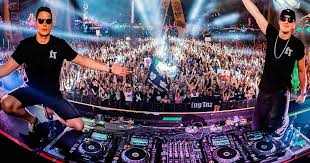
Finding a good mentor is way more important than having formal training.
One friend of mine (shout-out to Shiny!) is an amazing producer. I’ve learned so much from him, just watching him work and hearing his feedback. He taught me how to make a bigger and better kick, and how to put an amp on vocals to totally change the sound. Plus, having someone to bounce ideas off of has really pushed me to be the best I can be. I don’t have a “mentee” right now, but any time someone’s asked for help learning how to DJ, I’ve invited them over to learn. I don’t mind sharing my time if someone shares the same passion.