Mold Removal Guidelines for Your Flooded Home
A flood-damaged home needs special care to remove mold safely and effectively. Mold begins to grow on materials that stay wet longer than two or three days. The longer mold grows, the greater the health hazard and the harder it is to control. So, as soon as it is safe to return, don’t delay cleanup and dry out.
Take photographs before cleaning up for insurance purposes, and get started. Do not wait for the claims adjuster to see your home before removing wet and moldy materials. Most homeowners’ insurance policies do not cover mold damages or cleanup costs, but flood insurance may cover it.
What Is Mold?
Molds are a type of fungi. They serve as nature’s recycler by helping to break down dead materials. Molds produce tiny cells called spores that float and spread easily through the air. Live spores act like seeds, forming new mold growths (colonies) when they find the right conditions – moisture, nutrients (nearly anything organic) and a suitable place to grow. Of these, moisture is the key factor – for growth and for control.
Mold and Health
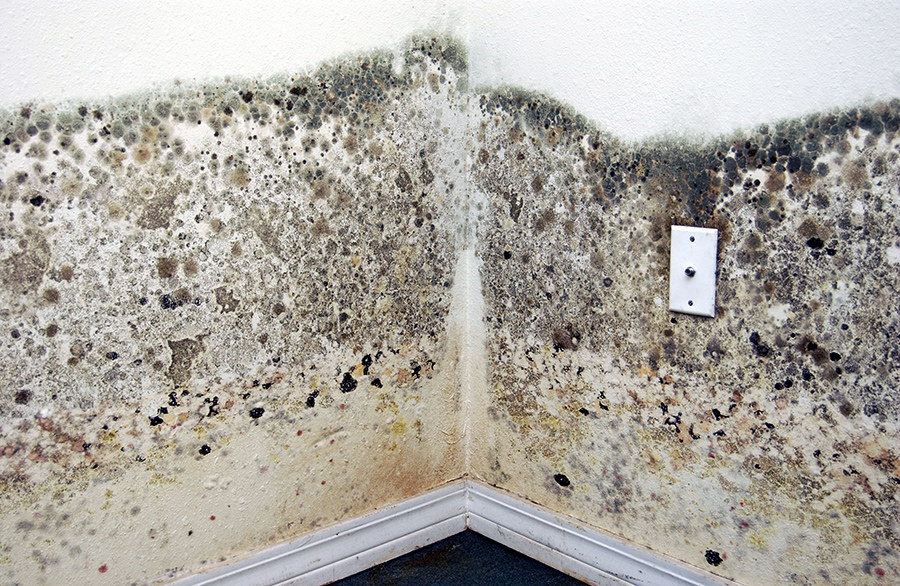
Some people are much more sensitive to mold than others, but long-term or heavy exposure is unhealthy for anyone. Mold can trigger allergic reactions and asthma attacks, may lower resistance to illness or have other effects. Young children, the elderly and the ill are most vulnerable. Some molds can make toxins that can be carried in live or dead spores and fragments. “Black mold” is a misleading term since many molds are black.
Mold Testing and Remediation Services
Mold testing in a home is not usually needed and is rarely useful to answer health concerns. Some insurance companies and legal services may require sampling for evidence. Professional mold remediation contractors may test before and after cleanup to measure the cleanup’s effectiveness.
Mold Remediation Protocols Course
Mold Remediation Protocols continuing education course will teach you the recommended work practices that help ensure a successful large or small mold remediation project. In the absence of state or federal guidelines, it is up to the mold professional to decide which protocols to follow
PMII’s Mold Remediation Protocols course summarizes, compares and contrasts the procedures from both organizations, so that you can make an informed choice that best suits your business
This 9-lesson course will help you gain an understanding of responsible work practices from both organizations that include:
Written contracts and project documentation
How limitations and conflicts can affect a project
Determining which party should correct moisture problems
When to engage an indoor environmental professional (IEP)
Personal protective equipment (PPE) and containment
Methods of communication with affected parties
The treatment of high value and unrestorable contents
The use of disinfectants and gaseous biocides
Recommended and required types of worker training
The steps in work area preparation and containment removal
The sequence of activities for HVAC remediation
As you complete each lesson, you will use interactive flash cards and take practice quizzes that will test and verify your knowledge simultaneously through instant computerized feedback. Your computer records the results so you can easily track your progress. When you finish the course and pass the final exam, you will possess the knowledge and skills needed to determine which set of protocols your mold remediation business will follow.
Mold Removal and Remediation
Once you’ve identified mold within your home or business, the next step is to ensure its effective removal from the property. Considering the potential property damage and health issues that mold can cause, it’s important for you to make sure this mold is removed from the property as quickly as possible.
Mold Removal Specialist Remediate Mold?
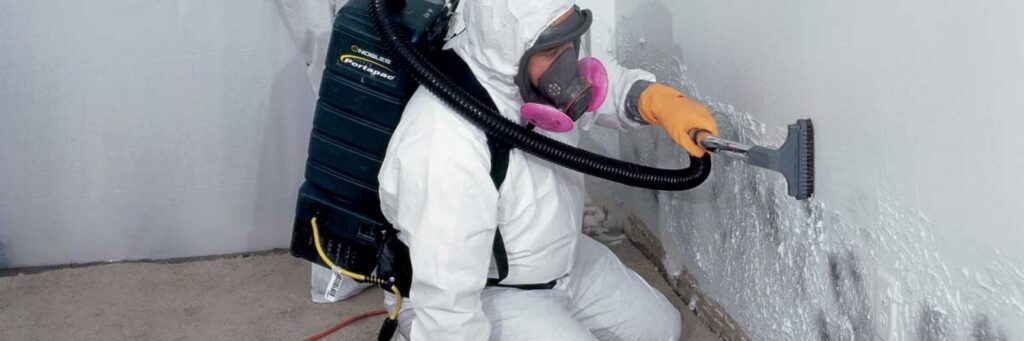
Professional mold remediation is often a necessity in the event when mold is encountered in a property, requiring specialist equipment and expertise. The remediation of mold is a complex process and involves much more than just a simple wipe clean of the affected surfaces. This, and the potential health hazards and risk of recurring issues, means that most mold damage scenarios are often best treated by mold remediation professionals.
Fix Any Moisture Problems First
If you suspect that your mold problem has been started by a leak or other water problem, ensure that you fix this first. Mold requires moisture to grow, if your home or business still has a water ingress problem, it’ll make it very difficult to remove the mold problem. If your mold issues are occurring in a naturally damp environment, such as a shower room, extra ventilation may be necessary.
Isolate Areas of Mold
In order to avoid any cross-contamination, areas of mold must be isolated from other areas before demolition, cleaning or drying can begin. Any airflow across affected moldy surfaces can spread mold spores around the building and spread contamination.
Throw Out Absorbent Materials
Certain items that have been affected by mold, particularly porous items, will need to be removed completely. These can either be sent for specialized cleaning (see below) or thrown away. For example, items such as carpet or furniture have fibers in which mold can remain even if you feel you’ve cleaned them thoroughly. This means they may need to be thrown out in order to stop the problem from reoccurring.
Clean Away the Mold
Once highly affected porous materials, such as gypsum board, have been removed, any remaining materials like plywood subfloors and Douglas fir framing can then be cleaned. All visible traces of mold will be removed before an antimicrobial or biocide spray is used to clean the surfaces during a wet wipe. You may have heard of “mold removal spray” products; however, these are not known to actually remove mold and only assist in cleaning after removal.
Thoroughly Dry
A thorough drying process is required to complete mold remediation. This will be accomplished using air movers and dehumidifiers, as well as moisture meters to provide an accurate reading as to whether the materials are dry.
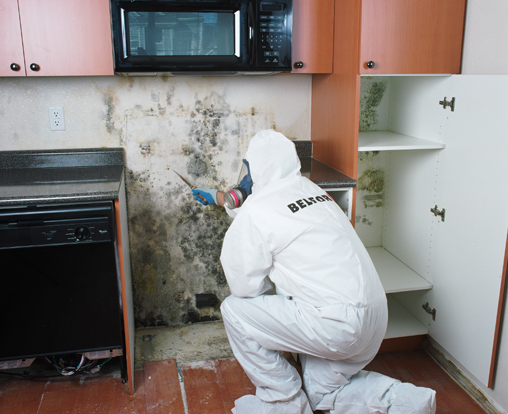
Mold Remediation in Occupied Homes
The purpose of this document is to assist builders with the decisions regarding what to do and how to do it when mold is found in specific locations. This article provides both general guidelines for mold remediation as well as specific guidelines for the typical locations where mold is most often found in houses.
The recommendations presented are based on the current Health Department guidelines. The purpose of this document is to assist builders with the decisions regarding what to do and how to do it when mold is found in specific locations.
Unfortunately the area of involvement is often difficult to determine before removing sheathing or gypsum board. These recommendations are based on typical locations where moisture and mold occur in houses. Each case, however, is somewhat different, so proceed with caution and realize that the problem might be greater than anticipated.
Steps for Responding to Mold Problems
Respond quickly with appropriate actions to stop water damage and limit potential exposure to occupants
Identify
The cause of the moisture problem
The extent of contamination
The safety precautions for remediation
Implement remediation
Remove damaged material that cannot be effectively cleaned or that is more expensive to clean than replace.
Clean and salvage materials that are not severely damaged.
Dispose of the damaged material in an appropriate manner. Moldy materials can be sent to a regular landfill. Seal them in plastic bags to protect workers while the material is in transit.
Repair and replace removed materials incorporating the necessary changes to correct the underlying moisture problem.
Dry out the area being remediated before closing in a wall or ceiling.
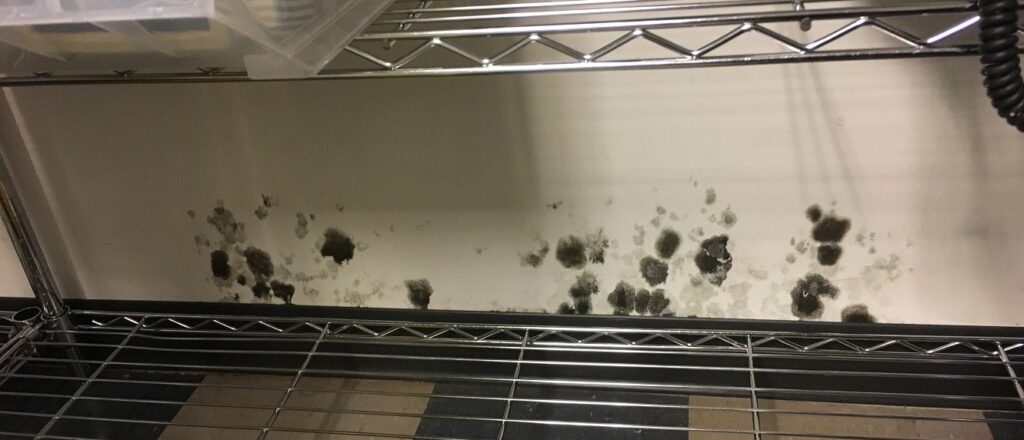
Mold Awareness, Prevention, Guidelines for Reporting and Remediation
Molds are part of the fungi kingdom, which includes yeasts, molds, smuts and mushrooms. Molds are ubiquitous—many thousands of mold species can be found indoors and outdoors throughout the year. They can grow almost anywhere, as long as optimal temperatures, moisture, oxygen, and food sources, such as organic matter are present. Growth of mold thrives in warm, humid places such as bathrooms, kitchens, or basements.
Mold spores cannot be eliminated, but actions to prevent and remediate can be taken. Mold spores can enter buildings through open doors, windows, vents, and heating and air conditioning systems. Mold in the air outside can be brought indoors on clothing, shoes, bags, and even pets.
Mold will grow where there is moisture, such as around leaks in roofs, windows, or pipes, or where there has been a flood. Mold grows on paper, cardboard, ceiling tiles and wood. Mold can also grow in dust, paints, wallpaper, insulation, drywall, carpet, fabric, and upholstery.
Prevention
In order to prevent the active growth of mold, moisture sources and indoor relative humidity must be controlled. The following are essential in minimizing the potential for mold growth:
Repair plumbing leaks as soon as possible.
Prevent moisture condensation.
Keep HVAC drip pans clean, flowing properly, and unobstructed.
Perform regularly scheduled building HVAC inspections and maintenance, including filter changes.
Maintain indoor relative humidity at levels to prevent the potential for mold growth.
Venting moisture-generating appliances to the outside where possible.
Venting cooking areas and bathrooms.
Clean and dry suspect areas within 48 hours. If carpets and upholstery cannot be dried a professional assessment is required.
Identify areas of water infiltration, identify the cause and take preventive action to prevent recurrence in a timely fashion.
Provide adequate drainage around buildings and sloping the ground away from building foundations.
Potential Health Effects
Potential health effects from environmental mold spore exposure vary from person to person. Most persons who do not have mold-related allergies are not affected by typical airborne spores. However, individuals with allergies or sensitivities to mold or have immunodeficiency may have more adverse reactions. For these individuals, molds can cause headaches, nasal stuffiness, throat irritation, coughing or wheezing, eye irritation, aggravation of asthma symptoms, or in some cases skin irritation. People with severe allergies and immuno-compromised individuals need to follow their physician’s guidance.