Electricians And Commercial Electrical Maintenance Companies

Top Skills Needed to be an Electrician

Electricians are typically responsible for a wide range of duties, from wiring installations to fixing older systems to performing routine maintenance. Some specific duties include calibrating equipment, testing electrical systems, improving existing wiring systems, troubleshooting electrical devices and reading blueprints.

Like most tradespeople, electricians can expect healthy job prospects in the coming years. According to the Bureau of Labor Statistics, the job market for electrical technicians should grow by 14 percent through 2024, a higher rate than the national projected rate. Electricians also earn a decent wage – an average of $51,880 a year, according to 2016 BLS figures.

If you’re currently thinking about a career in electrical work, consider the following essential skills.

Technical ability

Electricians must be able to think technically, which often requires solid math (algebra) and critical thinking skills. These are the same skills you might use working on a car or doing work around the house. If you’re someone who enjoys taking things apart to fix them or see how they work, and you are capable of putting them together again, electrical work might be a solid career choice. Being confident around technical systems and trusting your own abilities is essential in this field.

Problem-solving skills

The diagnosis and fixing of electrical issues is a big part of an electrician’s job. The typical working electrician is often solely responsible for responding to issues and locating a solution. In training to become an electrician, you would be shown how to identify common issues and their solutions. Being able to apply this knowledge and even come up with outside-the-box solutions is a crucial skill for a successful career as an electrician.

Business knowledge

Whether they are working as an independent contractor or they’re employed by a company, electricians must have a good feel for business principles like time management and customer service.

Time management is a particularly valuable skill for electricians, who must be able to regularly finish jobs on time. When a company or employer makes a request for electrical work, there must be an estimate of how much labor it will require and how much it will cost. A reputation for managing time well and accomplishing tasks in a reasonable amount of time will make you extremely valuable.

Electricians must also be able to provide good customer service, as every single job has a customer, whether that’s a department manager within your company or an outside client. Sometimes, people appreciate good customer service more than the product, and a good electrician is aware of this.

Communication abilities

Because electrical work is technical in nature, many people are surprised to learn that interpersonal communication skills are essential. However, electricians must be able to understand what needs to be done and effectively communicate the various solutions, often to people who have no working knowledge of electrical systems. Electricians also need to be able to train apprentices and learn from others, both of which require good communication abilities.

Organisational skills

The ability to organise and manage your time is important for an electrical engineer, as much of your work will likely be time-sensitive or project-based, regardless of which area of engineering you specialise in. It’s not just in the workplace that these skills will come in handy, though. They will also prove invaluable during your studies, where you will be learning and comprehending complex topics on top of everything else that higher education demands. Being able to manage it all and stay on top – especially during exam season – will stand you in good stead.

Creative thinking skills

Engineers are not just problem-solvers – they are pioneers. Whether it’s on a grand scale or a simple one, the solutions they provide change the way we live; therefore, to be able to explore and implement such radical ideas, you need to be able to think outside the box. This is especially true in the commercial sector, where electronics giants are constantly competing to develop new and exciting technologies; it’s also an essential quality that top engineering schools look for in potential candidates. Remember: you can have all the knowledge in the world, but if you don’t know how to be creative and explore new possibilities with it, then you’re going to be left behind.

Programming skills

Although the importance of coding is higher in some areas of electrical engineering than others, it’s still a very useful skill to possess, particularly when working with low-level embedded systems or when analysing data. Java, C, C++ and Basic are the most useful languages to learn in this field, although any programming knowledge that you can bring to the table is valuable. In the long run, it will certainly make your job easier as well as boost your CV, so if you haven’t already, invest some time into picking up some coding skills.

Type Of Electrician

Apprentice Electrician:

Firstly, electrician apprentice typically provides support for electrician installation, maintenance, and overall system. Also, they serve as a helper to the master electrician. Furthermore, the responsibilities of electrician apprentices are to assist, work and learn the task directly. Therefore, this is the beginning stage to be a professional electrician.

Journeyman Electrician:

Journeyman electricians position is above the apprentice and below the master electrician. Also, journeyman electricians, who have work 1000 hours as an apprentice and capable to do electrical installation and repair works. Moreover, they are capable of electrical equipment installation, troubleshoot, and maintain safety standards. Also, they serve as instructors and mentors for apprentice electrician.

Master electricians:

Indeed, master electricians are experienced professionals, who are the key person for any electrical project. Their main tasks are electrical systems design and installation, repair electrical systems, control the system and manage subordinates, etc.

Typical employers of electrical engineers

  • Telecommunications, engineering, computing and utilities companies
  • Consultancies
  • The Civil Service
  • The armed forces

Self-employment is possible for individuals who have several years’ experience.

Electrical Technician Responsibilities and Duties

Repair and replace defective components in motors, generators, controllers, storage batteries, switchboards, conductors, switches and varied electrical fixtures.

Install, maintain and repair electrical, electromechanical and electronic parts of machinery and equipment.

Perform defensive repair and preservation of field, plant and shop for electronic and electrical systems, equipment and devices.

Test solid-state circuitry to determine defective components in analog and digital equipment along with defective parts replacement.

Install improvements and major upgrades to electrical plant and subsystems.

Conduct infrared analysis and field equipment examination using specialized thermo graphic imaging and digital cameras.

Design and modify motor power control apparatus circuits.

Read and interpret blueprints, schematics and wiring diagrams.

Prepare schedules and coordinate activities with varied electrical divisions and sections.

Plan and prepare work orders or instructions utilizing blueprints, sketches and drawings.
Tips For Getting An Affordable Exterior Painting Job

Common Exterior Paint Problems and How to Fix Them

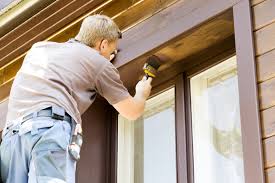
Under the blistering exposure to sun, frequent soakings by rain, and radical temperature shifts, the paints that cover exterior siding and trim surfaces face some of the most demanding conditions possible. Modern paint chemistry makes today’s paints remarkably adept at handling these situations, and the house surfaces that once required painting every two or three years can now sometimes go a decade before they require repainting. But under certain conditions—or when the preparation or application has been less than ideal—there are a number of common problems that occur with exterior paint jobs. Understanding the origins and solutions for these ten common problems will help you address them quickly and avoid them in the future.

Blistering Paint

Blistering paint is identified by small- to medium-sized bubbles or blisters under the paint film. It is most commonly seen on wood siding and trim.

Possible Causes

  • Paint was applied in direct sunlight on a hot surface, which trapped solvent vapor as the paint dried too quickly.
  • The Paint was applied when the wood was damp, causing trapped moisture to expand the paint film.
  • Dew, rain or very high humidity penetrated after latex paint dried—a common problem if the latex paint was of lower quality or if the substrate surface preparation was inadequate.
  • House moisture escaped through the walls due to improper house ventilation.

Repair and Prevention

  • Scrape away blistered paint, and sand to bare wood. ​Let wood completely dry before painting.
  • Make sure to sand, prime, and paint in non-direct sunlight and in non-humid conditions.
  • Use high-quality latex paint.
  • If due to lack of home ventilation, corrective repairs must be made to properly ventilate the home’s walls, roof, and eaves, bathrooms, etc.
  • Check and repair any loose or missing caulking around windows and doors.
  • Consider providing siding ventilation.

Alligatoring and Checking

Alligatoring is a type of paint film failure in which the surface develops a cracked pattern with deep relief, resembling a reptile’s skin. Checking is a similar failure, but it is less severe and is characterized by long, fairly evenly spaced cracks in the paint film, having shallow relief or depth. Occasionally checking may become severe in some areas, leading to a deeper crack or split in the paint.

Possible Causes (Alligatoring)

  • The second coat of paint was applied over the first coat of primer or paint base coat that had not yet fully dried.
  • The second coat of paint was applied over an incompatible paint, such as a glossy paint or a hard oil enamel over a latex-based paint.
  • Oil-Based paint has naturally aged and lost its elasticity, leading to cracks caused by fluctuations in temperature.

Possible Causes (Checking)

  • Natural aging occurred with several layers of older oil-based paint. As the material that was painted (usually wood) contracts and expands over time, the paint has to move, and it “checks” as it loses elasticity.

Repair and Prevention

  • Remove the old paint, then sand, prime and repaint with a flexible latex-based paint.
  • Use high-quality latex paint.

Efflorescence

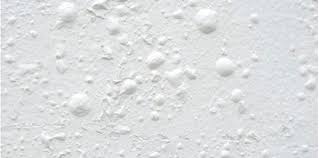
A problem of painted masonry construction, efflorescence is identified by crusty white salt deposits bubbling through the paint film from an underlying masonry structure. It is caused by salts in the brick or concrete dissolving with water and then leaching to the surface as the water evaporates.

Possible Causes

  • Surface preparation was poor; prior efflorescence was not entirely removed and washed before the surface was repainted.
  • Heavy moisture migrated through exterior masonry walls from inside the home.
  • Inadequately waterproofed basement walls allowed groundwater penetration.
  • Masonry was painted before the concrete or mortar had adequately cured and dried out.
  • Cracks in the masonry wall or poor tuckpointing have allowed water to get behind masonry wall.

Repair and Prevention

  • If moisture is getting into the masonry wall, eliminate the source of moisture by properly tuckpointing any cracks or missing mortar in the wall or patching concrete with a latex concrete patch; clean out gutters and downspouts, and caulk joints around windows and doors with a butyl rubber caulk.
  • If moisture is migrating through the wall from the outside (e.g., basement wall), apply waterproofing to the outside of the wall.
  • Remove all efflorescence and any loose flaking, chalking paint with a wire brush, scraping, or power washing. Then clean the area with a trisodium phosphate cleaning solution and rinse with clean water. Let completely dry, then paint with a high-quality latex house paint.

Chalking

Chalking is identified by the fine chalky powder that forms on the surface of a paint film. Although some chalking is a normal way in which paints self-clean when exposed to the sun and rain, excessive chalking can indicate paint failure. In dry arid climates where there is little rain, chalking can become excessive. Chalking is actually the paint pigment released by the paint binders that have been broken down by exposure to the weather. Chalking is especially common with very light-colored flat paints, especially lesser quality oil-based paints containing high levels of pigment extenders. When chalking gets severe, it may run off and stain the surrounding construction.

Possible Causes

  • Cheaper-quality exterior paint was used, containing high levels of pigment extenders.
  • Improper paint (such as interior paint) was used in an exterior application.
  • Paint was applied over lower-quality factory-finished aluminum siding.
  • The paint was over-thinned before it was applied.
  • Porous surfaces were not properly sealed before painting.

Repair and Prevention

  • Chalking must be removed before repainting. Remove chalking by power washing or scrubbing with a trisodium phosphate cleaning solution and rinse with clean water. Let dry and paint with a high-quality latex house paint.
  • To clean brick areas stained by chalking runoff, the masonry should be scrubbed with a specialized masonry cleaning solution. If staining persists, a professional cleaning contractor may be required to clean the brick.

Sagging or Running

This paint failure is easily identified as paint film with a droopy, dripping appearance.

Possible Causes

  • Application of a coat of paint was too heavy or overloaded.
  • Paint was thinned too much at the time of application.
  • The paint was applied in poor environmental conditions, such as when temperatures were too cool or when humidity was too high.
  • The paint was applied to a high-gloss surface that was not first primed. This prevents the paint substrate from having the “tooth” necessary for the finish coat to adhere.
  • Painted surface was not clean or properly prepared at the time of application.

Repair and Prevention

  • If you catch the sagging while the paint is still wet, use a brush or roller to redistribute the excessive paint evenly.
  • If the paint is dried, sand the uneven area and lightly reapply paint.
  • If the paint was applied to a glossy surface, sand the glossy surface to dull it and create a “tooth” for the paint to adhere, or apply a primer and repaint.
  • Paint using two light coats instead of one very heavy coat.
  • Do not overload the paintbrush. Follow proper technique for use of a paintbrush.

SPRAY PAINT VS. ROLLING PAINT: EXTERIOR PAINTING DILEMMA

Some painting companies spray the siding on houses while others brush and roll the paint on. I have had a lot of my homeowners ask me what the difference between the two are. Each of the two has its own advantages and disadvantages.

ROLLING

At textbook painting we normally roll the majority of our jobs because rolling jobs will give a higher quality finish. The advantages to rolling a house vs. spraying is that the paint will be applied much thicker giving overall better coverage than if it was sprayed. Also it is much easier to be precise and when a house is rolled it eliminates the risk of such things like overspray.

SPRAYING

We also spray some jobs for its primary advantage: speed. When we spray large areas it allows us to work much faster and produce a job much quicker. Since fewer labor hours are needed it costs me less to produce the job and I pass that savings on to my homeowners. So I normally write an estimate up with a price to have it sprayed with the additional option to have it rolled. Most of my homeowners end up going with the roll price because it is a higher quality job.

Tips For DJs

How to get started with DJing

Background

When I first started mixing, I googled “How to DJ” where I was welcomed with a disappointing handful of guides. They used terms I had never heard of, explained techniques, skills I didn’t know I needed and seemed to be targeted at someone who already had some foundation. It lead me to consider doing an audio engineering course on Coursera (which is totally not necessary at this stage) while reading How-To Wikis. Frankly, I was all over the place. Coming out of the tech space where (almost) everything is meticulously documented, this was a surprise to me.

I’m writing this not because I know everything there is to know about mixing. Instead, I am writing this in dire urgency because I’m finally starting to understand something about mixing music. In order to write a useful beginner how-to piece, one has to remember every little thing they did not know when they were starting out. So, logically, only a beginner can write a beginner piece with enough empathy to cover everything in agonizing detail. Here I will walk you through the things I have learned (read: stumbled across by luck and overwhelmingly battled through trial and error) between the first day of deciding I wanted to DJ to playing my first gig at The Royale in San Francisco with hundreds of people, 8 months later.

While we’re going into agonizing detail, it is worth explaining what DJing and mixing music actually entails. For this, nothing beats an example.

Production vs. Mixing Software

When you enter this space and begin to familiarize yourself with mixing, you will find that the easiest way to get started is with the help of software. You can definitely mix exclusively off vinyl, avoiding software and its perks, but as a beginner, a software-aided path allows you to learn as much as possible in a short amount of time with limited financial investment.

When considering software, I learned that mixing software will fall into one of two categories: production software and mixing software. Production software usually refers to a tool that you use to make new songs yourself. It includes a selection of drums, piano, bass, and optimizes for short pieces. Mixing software gives you a user interface to evaluate the BPM, key, and measures of two songs and best coerce them together.

Things You Should Ask Your Dj

When planning an event where music and dancing is involved, the DJ is often the most overlooked item. Why? Because most people feel that the DJ is the least important aspect of the whole night. Think again.  You could have the most perfect wedding ceremony, the most beautiful church or hall, the best dinner ever, and the most entertaining MC.  The thing that most people will remember about your wedding is the reception, because aside from your immediate relatives and best friends, that is what most people look forward to when they are invited to a wedding. The food, the party & music and dancing!  The fact is, if the food and/or the DJ is bad, this is what most of your guests will remember.

Do you offer a written contract?

Yes we do.  We require a signed contract and 50% retainer to hold the date, the services, the gear and our staff, also so both parties responsible to each other.  Armed With Harmony Music Services is responsible to show up and perform, and you are responsible to pay the remaining 50% balance along with full event details 2 weeks/14 days before the event. All retainers are Non refundable/non transferable.

May we meet with you in person before we sign a contract?

We highly recommend it and offer a consultation; this way we will have a mutual understanding as to how the night should run.  We prefer face-to-face consultations, but we will happily accommodate those who desire a skype/facetime, phone or e-mail consultation.

Who will be the DJ at our wedding?

Armed With Harmony Music Services has 20 highly qualified djs that can play all types of music and all types of functions; Please refer to our Dj Roster on our website.  The dj for your event will be chosen based on many factors including: your music style, your preferences and our availabilities.  The earlier you book, the better chance of getting the dj you want.

How long will you hold our date for us?

We only hold dates with a signed contract and 50% retainer. If you happen to have a death in the family get pregnant or for reasons out of your control, and want to push your event date, we will hold it for 1 year from your original wedding/event date.

What Exactly Do DJs Do Live?

No one knows exactly what DJs do in their console. You see them move their hands. You see them contort their faces in weird ways while moving their hands. But those are mere byproducts of the actual thing they do. But what exactly is that thing? Are they simply pushing buttons? Frying pancakes? Stirring soup? Who knows? It’s a mystery to most of us. We were really curious about this, so we reached out to several DJs and experts on the art of deejaying to find out what exactly DJs do when they play live.

DJing According to DJs

“The number one thing they do is entertain! To be an effective DJ the most crucial element is to know how to engage an audience by mixing one track into the next. This is done by matching BPMs (beats per minute). There are additional things that you may see a DJ do while performing live. When you see them twisting knobs between songs, they are adjusting their EQ (sound level/quality). They scratch records if they perform using vinyl. Some DJs also add visual effects that they control themselves from the DJ booth or audio effects that they add for fun to the songs they mix. Some also dance while performing (spinning) or have a mic to interact with the crowd. Additionally, some create live mashups of songs.”

“I believe the real question is, “Are you just standing there playing an iTunes playlist or are you actually doing something?” Most DJs are manipulating the songs to blend seamlessly together by changing speed, looping sections, changing EQ and Key. If you are good at your job, it is a constant search for the perfect song to keep pulling your crowd along with you on the music set ride. If you falter, the dance floor clears. Then there are those moments when just the perfect beat hits and the crowd goes wild…that’s why we DJ.”

“As a DJ and a musician for over 20 plus years, I get to hear it from both sides. Musicians tend to think a DJ does nothing more than press some buttons while musicians spend hours and hours each and every day of their lives crafting their musical abilities. Music is medicine.  Music is a universal language. It’s also art, and art is subjective. There are DJs and turntablists, and both groups have their respective talents. A turntablist would be much more akin to a musician. As turntablism is very similar, in a way, to being a percussionist. True turntablism skills on the record players, sometimes more than 2, is an art form and something that does require many hours of practice, just like any musician.

But being a DJ these days also has its special talent and merit. I had a friend who was a musical snob. Who only listened to “opera” and “classical” music. He asked me one day, so you just play “other people’s” music. Like that involved no talent whatsoever.

WAYS TO MAKE YOUR LIVE STREAM DJ SET STAND OUT

As coronavirus induced lockdown continues around the world, and clubs are closed for the foreseeable, many DJs are turning to live streaming sets to keep the party going and continue to serve the global dance music community in these difficult times. But with so many live streams, from the low-key, one-cam kitchen and controller soirée, to the full-on production and immersive experience of Dixon’s Transmoderna, there’s a torrent of streamed DJ sets to choose from.

So, how do you get noticed? And how to get people listening to, talking about and sharing your streams? Before you do anything, read our beginners guide to livestreaming from your phone and laptop. We’re going to be talking about some things below that assume you’ve read it. We’re going to be using Open Broadcast System (OBS) for this, which is a free broadcasting software, so download it here if you’re just starting. Once you’ve got the basics sorted, we’ve put together a quick five-step guide to help spark some inspiration, and get your sets looking visually strong and interesting with limited resources and budgets. The music, of course, is up to you.

ADD EXTRA CAMERAS

We know, we know, easier said than done – especially when almost all webcams are sold out around Europe – thanks ZOOM. But adding extra cams really does help in switching up the visual aspect and keeping the streams engaging, standing out from the crowd and maybe giving the audience some extra insight into what you’re actually doing.

If the device is a bit older with a lower res camera, why not give it a novelty name like ‘Mixer Cam’ and add a filter like black or white or something stylised to detract from the lower quality? Or make it picture-in-picture so it’s smaller? There’s always a solution

There’s also the issue of switching between the angles, especially if you’re isolating alone and don’t have any help. Wireless keyboards are a good shout here, and hot cues in OBS will easily let you map number 1 through 5, for example, to different angles and Scenes. Alternatively, if you find yourself and your housemates with plenty of iOS devices, a service called Switcher Studio can create a full-on TV studio using wireless iPhones and an iPad switcher software. It can also load assets, animated text, logos, live on-screen Facebook comments, and even bring in remote guests. It starts at $39 per month and is worth checking out if you want to expand your ‘show’ from just DJing to something more TV-like.

PIECES OF THE BEST BEGINNER DJ GEAR

It starts gradually enough… First, top 40 music becomes even more unbearable than before. Then, your Spotify playlists shed all that normie music you learned from your dad and college girlfriend. You try to get your fix by going to music festivals and surrounding yourself with it, bathing in it — alas! That, too, is not enough. Your hunger for electronic music simply cannot be sated by listening alone. You have transcended (Or perhaps been cursed?)! Now it’s time to shop for your first pieces of DJ equipment.

Read on to discover some of the best beginner DJ gear. Each category is split into a budget-friendly vs higher-end alternative. Whatever the choices, picking one item from each category will create a full package that will carry any DJ through their early years of mixing and producing.

DJ CONTROLLERS

In days of yore, the primary way for DJs to spin their music was by connecting two turntables stacked with vinyls to a central mixer. These days, DJ controllers fuse these independent pieces of gear into a single board and interface directly with a computer and software.

The Pioneer DDJ-200 is the only exclusively-beginner item on this list. It is a compact controller aimed at those who are taking their first half-step into the world of DJing. The DDJ-200 has a plethora of tutorial features, and it interfaces directly with many streaming platforms, which means no local music is necessary to mix a set.

The DDJ-SB3 and DDJ-400 are two of the most fully fledged, beginner-friendly DJ controllers. They offer all of the basic functions necessary to DJ at the professional level and quite a few bonus features as well (pre-programmed scratching, fading, etc.). Both controllers are very similar, with the biggest difference being their use of Serato versus rekordbox software

Exercise & Proper Eye Care May Protect Eyesight

Secrets Your Eye Doctor Won’t Tell You

Eye doctors reveal their secrets for the best way to take care of your eyes to improve your overall eye health

Secrets your eye doctor won’t tell you

An annual visit to the eye doctor, or optometrist, usually involves reading an eye chart, a cover test to see how well your eyes work together, and other comprehensive exams that test eye movements and depth perception. At the end of your yearly eye visit, your doctor shares the results, and encourages you to maintain good eye health. However, your optometrist may not be so candid when it comes to the way you take care of your eyes.

Sunglasses aren’t just a fashion statement

“Most people know that UV radiation can damage skin, but they don’t realize it’s also bad for eyes. You wear your sunglasses only when it’s sunny? That’s like saying ‘I only smoke sometimes.’ Wear sunglasses big enough to block the light from above and below—they should have thick sides or wrap around.

Carrots aren’t the secret to eye health

“Despite what generations of parents have told their kids, carrots aren’t the best food for your eyes. That honor goes to spinach

Polarized isn’t best for every situation

“Polarized sunglasses are great at reducing glare, but they can make it difficult to see the LCD on your cell phone or navigation system. It’s harder to see an ATM screen when you’ve got polarized sunglasses on too.”

Useful Eye Care Tips

Optical Store Near You

Your eyes don’t only help you navigate in your daily life. They are often the first to signal problems such as diabetes and high blood pressure. Taking simple steps to keep your body and eyes healthy can help prevent serious physical and ocular conditions such as age-related macular degeneration (AMD), cataracts and retinal detachment.

Reasons to Look After Your Eyes

By routinely getting your eyes examined and eating a healthy diet, you diminish your risk of developing AMD — especially the ‘wet’ form — and cataracts. Furthermore, by wearing the right eyewear for your lifestyle, you can avoid injuring your eyes.

There are many ways to protect your ocular health.

Have comprehensive dilated eye exams on a regular basis. This is the single best thing you can do for your ocular health. It’s simple and painless. Even if you’re convinced that your eyes are healthy, you may have an undetected problem that could worsen over time, as many serious eye diseases don’t show any symptoms or warning signs in their early stages. These diseases can only be detected through a dilated eye exam, and the earlier they’re identified, the easier they are to treat.

Getting frequent eye exams ensures that your visual acuity and physical health remain in check.To schedule an exam, contact Family EyeCare Clinic today. We’re just a click away!

Wear the right eyewear for your activity. Wearing blue-light glasses when using the computer or wearing UV-protective sunglasses while outdoors can protect your eyes from harmful UV or blue light rays. Blue-light glasses help reduce or prevent digital eye strain, while UV-blocking sunglasses limit your exposure to harmful sunlight.

Give your eyes a break. Aim for at least eight hours of shut-eye per night. In addition to sleeping, you can give your eyes a much-needed break by frequently looking away from the screen and staring at things in the distance.

Follow contact lens hygiene protocols. Because debris and proteins can accumulate on your contact lenses, it’s important to regularly disinfect and clean them to prevent an eye infection. If it’s too arduous to follow a cleaning routine, you can opt for disposable daily wear contacts.

Eat a balanced diet. For your eyes’ sake, make sure to get the right amount of nutrients and eat a healthy and balanced diet. In fact, certain antioxidants have been shown to effectively reduce the risk of developing age-related macular degeneration and other serious ocular conditions. These include Lutein and zeaxanthin, Omega-3 fatty acids, Vitamins C and E, and Zinc.

Don’t smoke. Smoking doesn’t just harm your lungs. It can also heighten your risk of developing macular degeneration and cataracts, and even damage your optic nerve — potentially leading to vision loss.

Exercise. Being physically active helps you not only feel great, but also lowers your risk of developing health conditions like diabetes, high blood pressure and high cholesterol — all of which can lead to eye problems. For example, people with diabetes run the risk of developing diabetic retinopathy, which can lead to vision loss and blindness.

Experiencing Vision Changes or Problems? Don’t Wait!

It’s not uncommon for people with vision problems to wait far too long before getting their eyes examined. If you’re experiencing vision problems, such as blurred vision, halos, blind spots, and floaters, or any ocular pain or other worrying symptoms, have your eyes checked as soon as possible.

Eye care

Do you include eye care in your overall health care? If you’re seeing clearly, it’s easy to overlook routine eye care — but it’s still important. Regular eye exams can give your eye care specialist a chance to help you correct or adapt to vision changes, as well as detect eye problems at the earliest stage.

If you wear glasses or contact lenses, you might be considering laser eye surgery as part of your eye care. Understand who’s a good candidate for eye surgery, as well as the risks and benefits of surgery.

It can be tough to get a good night’s sleep. Work, household responsibilities and family commitments sometimes take priority over sleep. Factor in a partner’s snoring or unexpected challenges, such as financial worries or an illness, and quality sleep might be even more elusive. Still, you’re not doomed to toss and turn night after night.

To improve your sleep, consider simple self-care tips — such as sticking to a sleep schedule and relaxing before bed. If you’re thinking about using a sleep aid, know what you’re getting yourself into. Over-the-counter sleep aids can be effective for an occasional sleepless night, but they’re not meant for long-term use.

How can you tell whether a mental health issue is normal or not? It’s tricky. The line between normal and abnormal mental health is often blurred. Still, it’s helpful to consider your feelings, thoughts and behavior in relation to cultural norms and other benchmarks

Questions to Ask Your Eye Care Specialist

Take a Friend or Relative with You

It’s a good idea to have a friend or relative accompany you whenever you make a visit to an eye care specialist or any other health care provider. This person can be your memory jogger and remind you about questions you want to ask. Also, since your eyes will be dilated for the examination, you may need a driver and a pair of sunglasses to help with the glare and light sensitivity that can result from dilation.

[Note: In a comprehensive dilated eye examination, your doctor may use eye drops to see inside your eye more clearly and examine your retina and optic nerve.]

Your friend can also take notes about information the doctor gives you. In this way, you can concentrate on what is being said and ask additional questions that arise from these discussions.

Your friend can also be an emotional support if you’re feeling stressed or nervous about your appointment or eye condition. Often, just the presence of a close friend or relative can help you feel more at ease and relieve the anxiety associated with occasional long waiting times before the doctor sees you

Be Sure to Take Notes

When you make your appointment, ask if you can bring a recorder to help you remember information he or she shares with you. (Also, many phones now have built-in recorders.)

This way, you’ll be able to review conversations that took place during your appointment at a time when you feel more relaxed in the comfort of your own home.

If the doctor does not want to be recorded, ask if he or she can write down your diagnosis, including what, if any, further action you need to take.

Here are some suggestions for questions you can ask during your eye examination:

Can you go over the eye examination with me and tell me what tests to expect?

What is the cause of my vision loss?

What is my visual acuity?

Do I have a peripheral (side vision) field loss?

Is my condition stable, or can I lose more sight?

Do I qualify as legally blind? If so, what does legally blind actually mean?

What new symptoms should I watch out for?

Are there treatments for my eye condition?

When should the treatment start and how long will it last?

What are the benefits of this treatment and how successful will it be?

What are the risks and possible side effects associated with this treatment?

Are there food/drugs/activities I should avoid while undergoing this treatment?

If the treatment involves taking medication, what should I do if I miss a dose or have a reaction?

Are other treatments available?

What kind of tests are involved?

What do you expect to find out from these tests and when will I know the results?

Do the tests carry any risks or side effects?

Will more tests be necessary later?

Will you send the test results to my primary care physician?

How often will you schedule follow-up visits? Should I be monitored on a regular basis?

Am I still safe to drive?

Am I entitled to any special services or benefits?

What medical and rehabilitation resources are available to help me?

Will a low vision examination help? How does that differ from a comprehensive eye exam?

Signs You May Need Glasses

Many people don’t realize they have a vision problem. Perhaps they’ve gone years without glasses and haven’t noticed the gradual change in their vision. Or they’ve noticed a change, but put off a visit to an eye doctor

Are You Frequently Squinting and/or Experiencing Headaches?

Unless it’s unusually bright, there’s no reason to be squinting if your vision is clear. Although squinting may briefly enhance your eyes’ ability to focus, if done for too long it can tax your eyes and surrounding muscles, which can result in frequent headaches.

If you have to squint while working on your computer or using digital devices, you may be experiencing not only headaches but also digital eye strain or computer vision syndrome. The cure is often a pair of computer glasses, or blue light glasses, which are designed to block out or filter blue light. This can reduce headaches and squinting when using your digital devices.

Are You Struggling to See Up Close?

If the texts on your phone or restaurant menu look blurry, you may be farsighted. While reading glasses are a great option for near tasks, you’ll need to take them off for other activities.  Consider getting progressive lenses, which change gradually from point to point on the lens, providing the exact lens power needed for seeing objects clearly at any distance. Progressive lenses help you comfortably see near, far, and in-between all day long.

Do You Struggle to See Things at a Distance? 

If you’re having difficulty seeing objects at a distance, you may be myopic (nearsighted).  Myopia is the most common cause of impaired vision in children and young adults. Consider a pair of glasses with high-index lenses, which are thinner and lighter than other lenses, along with anti-reflective coating.

Start A Successful Window Cleaning Business

HOW DO YOU CLEAN COMMERCIAL WINDOWS?

If you have a building with a glass storefront or a lot of windows, it is imperative that you keep them clean. The fact is, dirty, smudged and grimy windows just don’t make a great impression on those coming to do business with you.

While the thought of having to clean all those windows – inside and out – can be a bit overwhelming, with a bit of information, it doesn’t have to be. Use the information here to learn how to clean your commercial property’s windows and keep them looking great

The first step is to gather up everything you will need to handle the job. This will typically include:

A professional grade window cleaning product/solution

Squeegee

Sponge

Window cleaning scraper

Utility bucket

Microfiber cloth

Cleaning Your Windows

The good news is, the process of actually cleaning your windows only requires five steps:

Step 1: Dilute the window cleaning solution, two to one, with water in your utility bucket.

Step 2: Spray the window solution onto the window to be cleaned.

Step 3: If you see any debris, such as paint, stickiness or something else, use the scraper to remove it.

Step 4: Dry off the glass using your squeegee.

Step 5: The microfiber cloth will clean the water away from the edges of the window.

That is really all you have to do. The downside is that you have to repeat this process for the interior and exterior of each glass door and window on your commercial property.

Ammonia: This is a great substance for cutting through grease and removing any signs of fingerprints. But use caution with this, as it can damage tint on glass.

How to Prepare for a Window Cleaning

Windows are an asset in any home, producing natural light and allowing for views of the outside. But when windows are dirty, their aesthetic and health benefits are significantly less

INTERIOR WINDOWS

For the interior portion of the window cleaning it’s very helpful if you please remove all items off the windowsills such as, picture frames, plants/planters, other decorative items that are fragile.

Please keep in mind that side tables should be moved away from windows, as well as fragile, delicate lamps that might tip over. If you have Bay or Garden windows with shelving (usually in the kitchen or bathroom) please clear all objects off shelving and around the window area, so we can have clear access to all the glass.

EXTERIOR WINDOWS

When it comes to exterior window cleaning having clear access to all windows is important as is having enough space cleared away for us to position and set-up our ladders. Here are a few things you can do help make the exterior window cleaning safe and easy.

Patio furniture – please move all furniture away from windows and sliding doors. Please leave at least a 3-foot access area so we can easily set up our ladders and other equipment.

TIPS AND TRICKS FOR SPRING CLEANING

It’s That Time Of Year Again. Flowers Are Blooming And Birds Are Chirping, Which Can Only Mean One Thing: Time For Spring Cleaning!

Cleaning your house doesn’t seem like an ideal way to celebrate the end of winter and the beginning of spring, but we all know it has to be done.

Have a Plan. If you have a plan before you start cleaning, you will know where to start and where to finish. This will allow you to have better focus, preventing you from getting distracted and leading to a quicker job

Kitchen and Bathrooms. Typically these 2 rooms are the dirtiest in a home and tend to take the most time. If you start with these 2 rooms, then it will be smooth sailing for the rest of the house.

Dilute Cleaning products. Replace one-quarter of the bottle with water to thin out the product. This makes it less sticky and less likely to streak

Don’t apply products directly to furniture or floors. Instead, spray or dampen your cloth before dusting or washing. The saying “a little goes a long way” holds true for cleaning products, too.

Pet Hair. Put on a wet rubber dish washing glove and rub your hand over the “hairy” surface, the hair will stick to the glove. Then you can run it under the tap for easy clean up.

Hard Water stains around sinks and faucets. Soak some paper towels in vinegar and placed them on the areas with hard water. Fill a spray bottle filled with vinegar and spray the towels every time you walk past. After about 20 minutes, take the towels off and scrub the hard water with an old toothbrush. For areas with thick hard water, put the towels back on, spray with more vinegar and wait another hour, keeping the towels soaked in the vinegar. You shouldn’t have to scrub really hard, the hard water will come off easily after the vinegar soaking.

Cleaning your Windows. Forget the old tales of using vinegar or newspaper, you just need dish soap and clean water! But there is a catch….to have clean streak free windows is all in the squeegee technique. It will take some practise but you will get the hang of it. Some tips: Don`t lift your squeegee and have a chamois handy to wipe the glass around the frame. If this doesn`t sound very fun to you, I would suggest giving us a call to book our trained crew to come out and clean the windows for you!

Window Cleaning Tips: How to Remove Kid’s Artwork

Window Cleaning Tips: How to Remove Kid’s Artwork

Many parents and babysitters have answered a phone call or simply looked away for a moment, to come back and find the most glorious artwork on the windows. Don’t throw your hands up in despair.

Helpful Window Cleaning Tips

If you don’t want to stifle your little one’s creativity, but need to be able to see out your windows, here are a few options you may want to check out. They can save you time, and of course peace of mind.

Crayola Window Crayons: The crayons come in a box full of different bold and bright colors, so your little one doesn’t have to give up their favorite color. They go on smooth and are easily washable, so that’s great news for cleaning glass windows. The crayons dry quickly, and can be used in the house, car or any glass surface.

Washable Window Markers: here is a package of more bright colors, only in marker form. They work on windows, picture frames and mirrors.

Window Writers: these marker-like pens are very similar to the washable markers. They still come in bright colors and are easily washed off.

Removing Crayon, Marker and Permanent Marker

There are many ways to remove artwork from your windows, some require careful skill and others just need a cloth. Here are a few simple steps for removing crayon and marker while cleaning glass windows.

If you have used washable markers or crayons:

Spray the decorated area with a glass cleaner.

Using a clean, dry cloth, or paper towel, wipe off the cleaner.

Wipe again with a dry cloth, paper towel or cloth towel

TOP TIPS FOR STREAK-FREE WINDOW CLEANING

Window cleaning is one of those tasks that the majority of people try to avoid at all costs. With all of the spraying, wiping and reaching involved only to end up with streaks that seems impossible to get rid of, it’s no surprise that many people end up hiring a window cleaner to take care of the job for them.

However, getting crystal clear and streak-free windows doesn’t have to be a challenge, it can be a guarantee and all by following a few simple steps. Regardless of whether you are cleaning large bay windows or small bathroom windows, it’s not so much about the elbow grease but the tools that you have on hand.

What Causes Streaks on Windows?

When it comes to the dirt and grime on your windows, there are many different factors that come into play. On the external side of the window, one of the most difficult things to remove is limescale deposits. While many people believe that these white marks on the window are a direct result of rain, the truth is that the majority of them are caused by sprinkler systems and groundwater.

With that said, it is important to note that while rainwater tends to be pure, as it makes its way to the ground, it picks up contaminants and pollutants, such as dust, sand, grit, exhaust fumes and pollen. These contaminated raindrops then hit the window and evaporate, leaving micro deposits behind that create a less than desirable finish to the surface.

Kicking off Your Window Cleaning

If you want to do your windows justice, then you should always begin by giving them a thorough cleanse using warm water and mild detergent. Proper window cleaning detergent is a fantastic way to remove oil from the surface of your windows, which would normally end up streaking when you go to dry them. Water quality should also be taken into account when cleaning your windows.

Corner Kitchen Sinks

How to Choose a Kitchen Sink

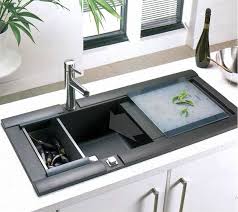
It can be said that the kitchen revolves around the sink. Prep work, cooking, and clean up all involve the sink in one way or another. Having a sink that best matches your needs and lifestyle is a critical factor in have a truly functional and efficient kitchen. Before choosing your perfect kitchen sink, first think about how you use the sink and then consider the various features and characteristics that your sink should have.

Here’s what to consider when choosing a new kitchen sink…

What size sink is right for you?

Size

In additional to making sure that the size of the individual bowls meet your needs, also consider the overall size of the sink. A larger sink provide more space for washing dishes but also takes away counter space which is especially critical in smaller kitchens. Also make sure your new sink will fit the existing cabinets. Some larger sinks might require custom sized cabinets.

Number of Bowls

How do you use your kitchen sink? Do you wash a lot of baking pans? If so, consider a large single bowl sink or a dual level sink with enough room to lay the pans down to soak. Most dual level sinks feature an oversized bowl to wash or soak things, with another smaller sink for rinsing or a garbage disposal. Make sure both bowls are large enough to meet your kitchen needs. If you share kitchen responsibilities, consider two sinks. One can be used for food prep and the other for clean-up. An island or bar sink, usually a smaller single bowl sink, is the best option.

Setting the Standard

The average kitchen sink measures 22-by-30 inches. While the front-to-back dimensions of the sink remain standard due to the size of most countertops and cabinets, the width of different types of sinks can vary dramatically. But some homeowners opt for deeper countertops measuring 30 inches or more, which can accommodate a larger sink than the standard countertop. Single bowl sinks come in sizes as wide as 33 inches, while double-bowl units can measure 48 inches.Triple bowl units may be as wide as 60 inches. Narrow trough sinks, designed for easy food preparation, generally measure 8 to 14 inches front-to-back and can stretch 50 inches or wider.

Going Deep

Most kitchen sinks vary from 8 to 10 inches in depth. While a sink with a 10 inch depth makes it easier to soak pots and pans, deeper sinks can be more uncomfortable for shorter family members to use. Shallow sinks allow for easier reaching and prep work. Some prep sinks come with a depth of just a few inches, and are often installed alongside a standard sink for washing dishes or cleaning vegetables. When choosing sink depth, keep in mind that under-mount sinks sit about 2 inches lower than drop-in sinks, which can make the bottom of the sink more difficult to reach.

Choosing a Sink

For New construction:

“New construction” means that you are completely gutting your kitchen and replacing both your cabinets and countertops. If you are doing this, you have more freedom to choose a sink of any size. The most common sink sizes are 24, 30, and 33 inches.

Smaller homes and condos will likely go with the 24-inch size, small yet functional enough to wash pots and pans. Common 24-inch sink shapes are a square and D-bowl. Sinks 24 inches wide must sit in at least a 27-inch sink base cabinet.

The most common sink size is approximately 30 inches. In a 30-inch width, you will start to see a wider variety of shapes: single bowl square, single bowl orca, and double bowl. Sinks that are 30 inches wide must sit in a base cabinet of at least 33 inches. The most common base cabinet sizes for new construction is typically 33-36 inches.

Larger kitchens can accommodate 33-inch and 36-inch sinks. These sinks come in a single bowl or double bowl. If you have a lot of space for a large sink, you might want to also consider a prep or bar sink to cater to point-of-use needs.

If You’re Keeping Your Cabinets:

If you are choosing a sink yet keeping your cabinets, you will need to pay close attention to the size of the base cabinet. Do not just simply measure your existing sink. Measuring your base cabinet will determine how big your new sink can be.

Cleaning Considerations when Buying a Kitchen Sink

Nothing is more frustrating when you’re washing dishes than finally clearing out the sink only to find that the sink itself is now completely filthy. Some sinks make this type of cleaning much harder than others, which can lead to some serious health concerns and threaten the lifespan of your sink. Read on to find out what you should look for in a new kitchen sink when it comes to making cleaning it easier.

Materials Used

This is definitely going to be the biggest thing that affects how easy it is for you to clean your sink. Some materials are very porous, which means that they have tiny microscopic holes in them that can soak up grease and colors from foods and other liquids and hold on to them. It might end up causing some unsightly stains, or it could create a buildup of germs and bacteria. Either way, it’s going to make cleaning a serious pain.

Stainless steel sinks are excellent at fighting off stains and don’t hold on to food debris, which makes it much easier to keep your kitchen sink sanitary. If you decide to buy a sink made out of a different material, look for one that specifically states that it is made out of a nonporous substance.

Special Coating

Most of the time, you’re going to encounter details about special coatings to prevent stains or scratches on metal sinks. This is because metal is much easier to treat with these processes, and it’s able to keep the effects of the treatments for a very long time. Some other types of sinks can also have special coatings, but they may not last the entire life of the sink.

You might see manufacturers refer to a satin finishing process that helps prevents scratches, which is also important in keeping your sink clean because scratches can quickly become reservoirs for germs. In metal sinks, scratches can also start to rust over time when exposed to water, which will definitely make your sink hard to clean and potentially even break.

Pointers and FAQs:

It is impossible to retrofit a sink. Once you decide on a sink, you are married to your sink until you redo your kitchen counters. Therefore, do not skimp on the sink! If someone is “giving you” a new sink, be wary of this. Make sure you see your sink in person before you commit to buying it. Your countertops will be templated to fit the sink you opt for and there is no going back.

Not all sinks are made the same way. Stainless is measured by gauge. The lower the gauge, the thicker the sink. Sink gauge is measured between 15-20 gauge.

Technically, the gauge is the “number of stainless sheets that can fit into one inch of stainless”. Therefore dividing 1’’ of stainless by 15 will yield a thicker sheet than dividing 1’’ of stainless by 20. Generally speaking, thick stainless sinks are about 16 gauge. 

Fireclay and stone sinks are varied immensely in terms of quality. The white apron-front sinks have become a huge trend, but they vary in building material and thickness.

Clay Tile Roof

Tile Roofing – The Pros, Cons, & Costs

There is no doubt in saying that tile roofing provides a lot of benefits. It is very durable and can last for a very long time. But as you know that nothing is perfect, and this also applies to tile roofing. It doesn’t matter how useful a thing is, it will definitely have some downsides. That’s why it is very important to have all the important before investing your time and money. So if you are planning to install tile roofing and want to know about its pros and cons, then this article will provide you all the important information. Now before jumping into the pros and cons, let’s talk about the different tile roofing types.

Ceramic

Ceramic tiles are one of the most popular tiles that have been used for a long time. These tiles are very durable and come with fire-resistant capabilities. They don’t require much maintenance and now they are also available in different shapes, colors, and sizes

Metal

Metal tiles provide a powerful look and they also come with some advantages as metal roofs. They are leak-proof and offer amazing durability and longevity. You can choose from a wide variety of styles and metal tiles look similar to some different tiles including slate and clay tiles.

Bituminous

If your main priority is flexibility, then the bituminous tiles are the best option for you. They are lightweight and it is also very easy to install them. With bituminous tiles, you will get more texture and variation and they are also installed by using adhesives, which makes them less prone to leakages. They are slightly thicker and due to this, they provide a more substantial look.

Stone

Stone tiles are one most durable tiles that can last for years. The good thing about stone tiles is that their look gets better with time. They add a natural variation and boost the curb appeal of your house. However, stone tiles are heavy difficult to install, so you will have to spend money on installation but they also provide better security.

Are older Roof Tiles better than new Roof Tiles?

Not that I’m old of course, but it’s perfectly true about concrete roof tiles…they really DON’T make them like they used to. And it isn’t just me who thinks so.

Whenever I go up on the roof of a house built in the Fifties, Sixties and early Seventies, I am gobsmacked at how well those little square top profile cement roof tiles (known as Monier 100) have done. You rarely notice a broken roof tile, and even the roofs that have never been repainted and are now almost totally bare of all paint finishes, have surprisingly few leaks; nothing major at least

modern day tile roofs are more prone to breakdown and decay than any other building materials. Why aren’t new roof tiles as good as their predecessors? Well, it’s basically because they’ve been diluted, with less cement binders in the tile roof manufacturing process than even before.

In some cases, it’s the bare minimum. However, before you start pointing the finger at Aussie roof tile makers, put yourself in their shoes for a moment.

Making concrete roof tiles last longer.

The ‘bare bones’ way cement roof tiles are made in the modern era, they are destined to break down. As such they will require far more attention and maintenance than they did in granddad’s day.

CAN YOU SPOT THE EARLY WARNING SIGNS OF TILE ROOF DAMAGE?

WHY MAINTAINING YOUR TILE ROOF IS SO IMPORTANT.

When we talk about tile roof maintenance, it can mean many different things, from cleaning leaves out of your gutters, to checking for rust on gutters or checking for cracked tiles. There are so many parts to your roof and if something goes amiss, water may just find a way into your home when the next lot of rain comes around.

We’ve decided to put together some handy tips which will help you to maintain the health & longevity of your roof, as the saying goes “The biggest problem in the world could have been solved when it was small”. Here’s a few things you can do before those small problems become big.

Keep gutters clean, clear and always check for rust: (This simple task can add years to your gutter’s life & save you loads of dollars down the track, Your gutters need to be kept clear of leaves and other debris so that water can easily flow into down pipes, otherwise blockages occur and not only do you have the risk of water backing into the roof cavity, but you could be allowing your gutters to deteriorate and start to rust out quicker than usual).

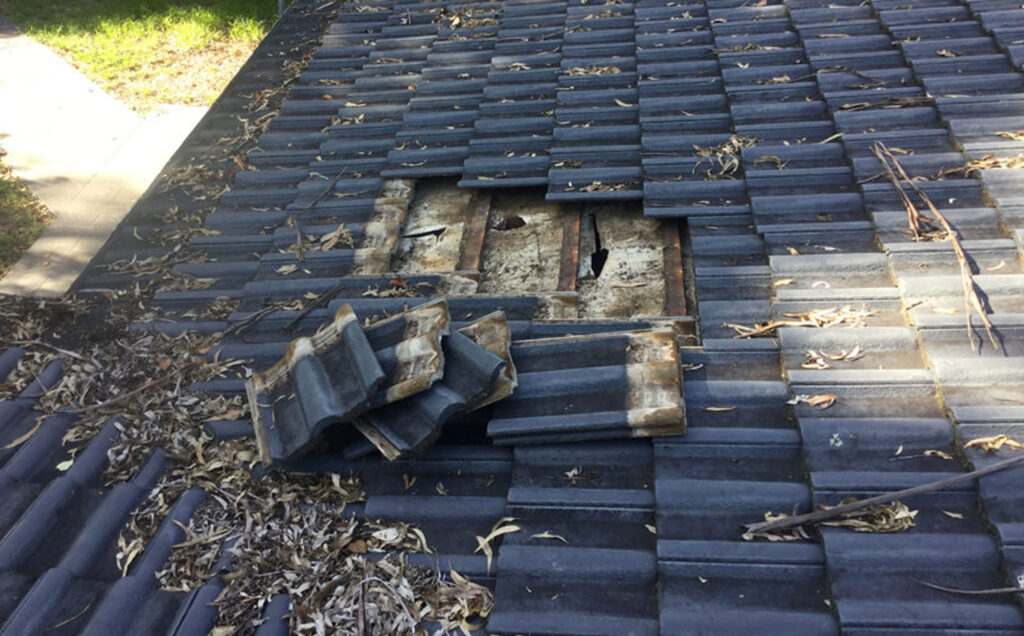
Check roof caps and tiles for cracks, damage or missing sections: (This ones a pretty important one as your tiles may become cracked and dislodge, your ridge capping may break and re-position leaving parts of your roof open to the elements. A simple crack could allow moisture and water damage in to your home).

Look for leaks and dark spots on the ceiling during rain: (One way to tell if you have a leak in your roof is the appearance of dark spots on your ceiling, the most common culprit is a cracked or faulty tile, it could also be blocked gutters causing water to back in to the roof cavity).

Tile Roof Repair – Things You Should Remember

Tile roofs aren’t just beautiful to look at, but they’re also durable and can last a lifetime depending on the material they made of. Like any part of the house, your tile roof requires proper maintenance, or else you’ll experience roofing problems that will necessitate a roof replacement later on.

The standard service life of your roof depends on its material components and how well you maintain it. This doesn’t mean that you should wait until your tile roof reaches more than 20 to 30 years before you have it checked or replaced. As soon as you experience problems with it, you need to get a roof repair in order to avoid bigger issues.

Here are some signs that your roof needs a roof replacement right away:

There are cracks or damages in your tile roof

There are missing tiles in several locations

Your house is experiencing leaks in multiple places

There is terrible air circulation in your attic

Your roof is serving you more than its average service life

What you see isn’t always the only problem

You’re lucky if replacing one damaged tile is the only solution you need to fix your roof problem, but sometimes a damaged tile is just one portion of a series of other problems. A damaged tile may also cause a sagging ceiling, more damaged tiles, or inside leaks. Before trying to repair it on your own, it might be better to consult with roofing repair professionals first. This ensures you get an expert opinion on any potential underlying roof problems that need to be dealt with.

Think big and long-term

You might think that cleaning your roof a little or doing simple repairs can easily fix your roof problems. While it will work in some cases, these DIY repairs can do more damage to your roof if done wrong. Doing repairs on your own can help you save up money, but without enough knowledge on roofing and repairs, it may cost you much more in the future.

Tile Roofing Installation & Service

If you want a beautiful, long-lasting roofing option – look no further than tile roofing. This luxurious roofing option provides outstanding protection for your home and family. Available in a wide variety of styles, tile roofs are an investment into your home and your future.

Long Lasting – These roofs will last for lifetime (or two or three). In fact, many manufacturers say that tile roofs will last hundred of years. Although they have a higher installation cost, they definitely have a low cost per usable year on your home. Whether you plan to stay in your home forever or you are looking to improve the resale value of your home, tile roofing is a great option for you

Eco-Friendly – Tile roofs are crafted from earth materials which means they can be recycled. Whether you are using slate, concrete or clay tiles, if the time comes to change your roof, the material can be crushed up and reused for other applications in the future!

Energy Efficient – Tile roofs have a unique structure that provides excellent energy efficiency for your home. Tiles prevent heat loss or gain which helps keeps A/C low in the summer and heating costs low in the winter.

High Durability – Roofs made from tile are incredibly durable. They can withstand hail of up to 2” with little to no damage. Unless they sustain impact from something heavy hitting them, like a tree, tile roofs are going to stay strong for generations to come.