Formal Event And Wedding Music From The Mobile DJs

How to become a successful DJ

How do I become a DJ? How can I get started on being a DJ? What do I need? Where should I go? These are some frequent questions we hear from our readers. So you want to be a DJ? You want to make the crowd move to your every whim. You want to be center stage and have all eyes on you. You want to be an artist, but don’t know where to start. We won’t go too much into the details, mostly because this is a very personal journey, but we can help you get started and give you a few terms you should know and skills you’ll need to learn.

Before we begin, let’s make one thing clear. This isn’t just a new adventure you’re embarking on, it’s a lifestyle change. It doesn’t matter why you want to be a DJ since everyone has their own reasoning. It’s a commitment to music that few people can understand, let alone match. Becoming a DJ is not for the faint of heart or introverted. It’s putting your soul out there for the world and saying “this is who I am!”, taking the slings and arrows of haters and fakers who think you’re trash or think they can do it better than you. You will have to deal with some of the worst kinds of people who don’t see you as an artist, but as a tool to make them money. If you can take all of that and still be yourself, you will find a career that is gratifying, challenging, exciting and most of all fun.

Getting Started on Becoming a DJ

First things first, what does a DJ actually do? Basically you’re the one who plays the music at any venue. That’s as simple as it gets, but there’s so much more. There’s the turntable master, the club DJ, the radio DJ and the mobile DJ. You can specialize in one, but a good DJ needs to be able to work a number of these disciplines. If you decide that you just want to be a club DJ, that’s fine. Just remember, this is your career. A basketball player that can shoot, but not be able to play defense, rebound, pass or dribble, is not going to make it onto any team. Becoming a DJ is no different. If you can mix different types of music, and you can change your style on the fly, you will open up as many opportunities available to you as possible. You will also need to be proficient with mixing and production software. This will be probably the most challenging part. Get intimate with the software. Learn what tools the software has to offer, and how they work — it will help you get accustomed to breaking down the music.

You don’t have to use software if you want to go “old school”. Scratching the old vinyls to their inevitable destruction is a highly respected form of the art, a lot of fun and the most difficult to master. It takes a bit of talent and a ton of skill to become a pure scratch DJ, but everyone loves a good one. Software is available to help speed up your workflow as a digital DJ, but your cool factor may not go quite as high. Being a scratch DJ is also very expensive in both time and money, driving around the city trying to find the few vinyl stores left is time-consuming, but worth it. However, spending $5 to $50 for a single record that only cost $8 on the day it originally dropped will really put a dent in the budget when you must have a hundred of them.

Here’s What You Must Do (5 Key Steps)

So the question is, how can new DJs using laptops, controllers, even tablets, improve their skills to become the “pros” of the new world of DJing? How can they learn the tricks, hacks and secrets of DJing that’ll make them stand out from the crowd, in a world where everyone’s doing it?

1. Get used to doing this in public

Informal gigs in public are the new bedroom practice sessions. Today’s DJs, at all levels including complete beginners, are playing in front of people, not toiling away in the bedroom for months or years.

It never used to be like that. Learning to DJ used to mean painstakingly learning the skills, patiently collecting the music, and – having spent a lot of time and money on those two things – finally hustling for gigs, pile of mixtapes in hand. Rinse and repeat.

your initial goal must be playing in public immediately. That means that right from the start, right from NOW, you need to develop the playlists, understand what you’ll do if the music stops and everyone’s looking at you to get it going again, have strategies for dealing with the general public and other DJs, and know how to conquer nerves and feel confident in public situations – even if that’s just a party at a friends house with you on the decks.

You need the knowledge so you can feel comfortable, confident and in control at every type of gig. You’re going to be playing those gigs anyway – so the sooner you develop these skills, the better.

2. Make an effort to learn some of the timeless DJing skills

Nowadays, many DJs in the kinds of venues we’re talking about are really “selectors” – putting together soundtracks from playlists for informal events. In these situations, basic crossfader mixing is often all they do, and that’s fine. But it’s important if you want to develop as a DJ that you nail some of the essential skills of DJing that’ll help you to move away from this style of DJing to something more accomplished and impressive.

If you learn how to mix properly, and to transition smoothly between all types of music, you’ll be setting yourself up for much more success.

DJs who can mix have more fun (nothing beats the goosebumps you get when you get a mix perfect, especially in front of a crowd…), get people dancing more often, and get noticed and remembered. In this new world where everyone’s a DJ, getting these things right is more important than it’s ever been.

No, you don’t need to learn to DJ on turntables, or even beatmix manually every time (that’s like saying to be a good photographer, you need to know how to use film and develop in a darkroom) – but likewise, understand the basics of song structure, timing, how beatmixing works and so on, and your results will catapult immediately into a different world. Once you open that door, your DJing will change forever, and for the better.

3. Practise tactically and in a gig-centric way

Gone are the days where you’d spend six months learning to beatmix on vinyl behind closed doors, before even thinking about telling anyone you’d quite like to be a DJ! Back then, you could approach your DJ practice session with no real aim, just a commitment to keep trying for that 1% improvement every week or so.

Today, your DJ practice sessions are aiming for a completely different outcome, and so you need to approach them differently to the way practice was approached by previous generations of DJs. Plus of course, none of us have any time, right? So your practices sessions should be tactical, and gig-centric.

  • Tactical means that you’re going to be practising the exact things that will make the most difference to your DJ sets – things that didn’t work for you at your last gig, things that you’ve seen other DJs do that you’d like to try yourself, things that are easy (thanks to the awesome functions and features of modern gear), but that you obviously don’t want to be trying in front of a crowd until you’ve at least worked out the basics behind closed doors. Fast, focused, and with a definite, achievable end in sight
  • Gig centric means that everything you do in a practice session should be aimed at helping you make the best job of your next gig – period. Nothing else matters. The playlists you curate to DJ from, the music you buy or add to your streaming lists, the “plan B” tunes you choose in case your first choice of music isn’t quite right for the event on the night, your choice of “special” songs (set openers, set closers), the types of transitions you practise – all should be based as closely as possible on what you think you’ll be doing at that next event

Less time practising, more time playing

This type of tactical, gig-centric practising means that you can literally get to the point where you’re spending an hour or two preparing for each gig, even as a beginner. A far cry from the months of aimless, amorphous “deck time” DJs used to put in in previous generations, and far more attuned to the modern world where frankly most of your learning is done in public – which is perfectly normal and perfectly fine, even expected, from DJs nowadays.

Prepare in private, but learn as you perform – in public.

4. Get on top of gathering the music you’ll need

Frankly, you’re lucky that you don’t have to make weekly dates with myriad record stores just to have a chance of listening to (never mind buying) your meagre three or four new tunes each week. Nowadays you have practically all of the world’s music to select from for your gigs, meaning even as a brand-new DJ you can have all the music you need to play your first gig in weeks or even days.

Modern services give you the chance to capture, identify, shortlist, sort, select and evaluate tunes for your DJing, whether you buy them or stream them. But learning how to make the most of that opportunity is of great importance. And there is without doubt skill involved in developing a music system that works for you.

5. Hack the gear you’ve got to get it gig ready

Nobody cares what gear you’re using to DJ on. Whatever gear you’ve got, or can get, and whatever system you’re using, is definitely going to be good enough. And yes, that goes for the lowliest DJ controllers, or even DJing directly from a laptop or tablet.

There are things you will want or might need: A backup music source in case you have problems, definitely. A microphone maybe. Technical items like good headphones for pre-cueing, booth monitors, the right cables, bags, cases, stands and so on are also worth considering as you gain competence.

Learn your trade

You need to invest a lot of time in learning your trade. Not just in terms of DJ skills, you also need to have knowledge of all areas of DJing. DJs often are involved in the following activities:

DJing 

The artform of DJing, curating DJ sets and performing. This goes without saying in a ‘How to be a DJ’ blog! To become a master of your trade, push yourself and practice regularly. You also need to gain experience at real gigs and probably you’ll want to learn how to produce.

Marketing

This is the mechanics of utilising promotion platforms like social media to promote yourself and garner more attention of your work. This can include: writing press releases, creating a story behind your work and a captivating biography. utilising platforms like Instagram, Facebook and Twitter to build a fan base, and managing music profiles like Soundcloud, Mixcloud and YouTube. Maintaining a regular Blog is a must for any serious DJ, it is best way of building your fanbase and keeps everyone updated on what you’re working on.

Networking

Become a networker. You’ll need to be seen and heard where it matters the most. Do some research and find out what industry events are near you and make sure you have some business cards to hand out. Practice your pitch to promoters or agencies and keep practicing how to communicate with people and build your own confidence. This can be hard if you’re a slightly introverted artist but if you keep practicing you’ll master the technique soon enough.

Graphics, Photography & Videography

DJs often need to have a keen eye for quality graphic design or have their own creative ideas when it comes to how their image in conveyed graphically. The artwork or images you use are often seen before your music is heard. Make sure it conveys your story and make sure that it’s high quality to respect your own passion in music. This can include artwork to mixtapes, music releases, gig flyers, press photos, live photography at gigs, videography and even animated GIFs. Try and make your online graphical identity streamlined so there is a coherent message. 

Professionalism

You need to know how to conduct yourself in a professional manner. You should understand industry standards, not just in the music you’re using but also all the legal things you should know, like what insurance you may be required to have. If you’re a mobile DJ you will also need to have a PRS license to play music in unlicensed venues and good public liability insurance. All DJs also need to know a little about how to invoice and account for all their payments as a self employed artist. If you’re a producer you will need to know all about copyright and licensing too. Always conduct yourself in a professional manner and uphold a high standard so that people know how serious you are.

Be a multi-genre DJ.

You can still be a specialist if you have multiple genres under your belt — you’re just a specialist with logic. Most DJs are great at one genre of music — being great at more than one sets you up to be the cream of the crop.

  • This also offers you more opportunities for future gigs. Instead of only having one or two clubs in the area that’ll have you, you can do those, a few other clubs, and the occasional wedding or hoppin’ bar mitzvah.
  • For each genre you do, you’ll have to know the classics, the deep cuts (the B sides that should’ve been A sides), and the current stuff. Having a healthy mix in your repertoire will keep the party going

Finding a good mentor is way more important than having formal training.

One friend of mine (shout-out to Shiny!) is an amazing producer. I’ve learned so much from him, just watching him work and hearing his feedback. He taught me how to make a bigger and better kick, and how to put an amp on vocals to totally change the sound. Plus, having someone to bounce ideas off of has really pushed me to be the best I can be. I don’t have a “mentee” right now, but any time someone’s asked for help learning how to DJ, I’ve invited them over to learn. I don’t mind sharing my time if someone shares the same passion.


Must Know Tips For Loading Services

The Benefits and Drawbacks of Self Service Moving

Self-service moving is a great option if you’re not sure if you should move yourself or hire movers to do the move for you. Sometimes this decision comes down to cost and time—both of which are critical to a successful move. So if you don’t want to move yourself, yet you can’t afford to hire full-service movers, then self-service moving might be the best compromise.

What Is Self Service Moving?

Self-service moving refers to movers who provide a very limited service. Unlike a full-service mover—one who moves your household goods into a truck, drives the truck to your new home then unloads your things—a self-service mover simply drives the truck. You’re responsible for moving and packing the truck and unpacking it when it arrives at its destination. This is an ideal option for people who want to save some money, but are concerned about driving a large truck, especially through a residential area or an area with narrow streets and lots of traffic.

What Services Are Included in Self Service Moving?

Self-service moving usually includes a professional driver and the moving truck. All other costs are your responsibility, including packing your household, packing the truck and unpacking on the other end. Some self-service companies will provide you with a moving container—a large mobile unit—that you can store on your front lawn for a few days prior to your move. This kind of service allows you to pack the container over a longer period of time. It also ensures that you’re not tripping over boxes as you continue to pack your home. Plus, you can take as much time as you need to load the container and unload it at the new home.

How Much Does Self Service Moving Cost?

Costs will always vary depending on how far you’re moving, how much stuff you have and the area you’re moving from and to. Costs will also depend on what kind of service you require: if a mobile container is needed or if you require the truck for a longer period of time. Ask the company upfront what services are included in the cost and what extra costs might apply. No matter what, a self-service mover will usually be less expensive than a full-service move, depending on your circumstances. Plus, you can also ask the mover how to reduce costs and ask for a full breakdown of your estimate so you can see where to cut back if you need to keep within your moving budget.

Is Self Service Moving Really Cheaper?

Not necessarily. To decide if this is the right service for you, you need to determine the time it’ll take to move your things into the truck and how many people you’ll need to help you move. If you have the time and a lot of people to assist, then this might be the right service for you. But make sure you weigh the costs of a self-service move against a full service. Often you’ll find that the full service is worth the price, especially if you have a lot of large, awkward items to move or you are limited by time and resources.

Plan Your Cross Country Move

The process of planning a move across the country is often complicated by the remote nature of research, planning and coordinating. While the internet provides a wealth of information to get you started, a move across the country will require additional investments in time, travel and research

Clean: Burn calories, alleviate stress and breathe easier (quite literally) with a healthy dose of spring cleaning. No sense in moving dust bunnies cross country!

Declutter: You can cut, sometimes significantly, the size of your moving load by donating or purging clutter before you start packing. Recycling old magazines, books, and donating or selling your curios are a good place to start.

Pack: Start your packing process by collecting supplies and boxes. Make sure your cardboard boxes are durable enough to survive a cross country move.

Change Address: The USPS makes it easier than ever to fill out an official Change of Address form. Visit the United States Postal Service website up to three months before moving day to schedule your address change.

Set Up New Utilities and Services: Utilities such as gas, water, trash, phone, cable and internet should be set up before move-in day. Your landlord or realtor should be able to provide a list of local utility information.

Cancel Old Services: Be sure to cancel services for your old residence such as yard and pool care, pest control maintenance, house cleaners and anyone else who comes for regularly scheduled maintenance.

Suspend Subscriptions: If you use subscription services for meal kits, personal care items, diapers and other regularly used items to make your life easy, be sure to suspend the service and update your address before you move across the country so you don’t miss a delivery.

Research: Lastly, you will want to learn as much as possible about your new city before you move. Consider researching the following topics on your new destination: Real Estate Markets, neighborhoods, schools/education data, and crime statistics.

Does Every Moving Company Have Cross Country Movers?

Only federally licensed moving companies are legally allowed to provide cross country moving. Cross country moves are different than local moves (moving a short distance within the same state) and intrastate moves (longer distance moves that occur within the same state) because they involve moving goods across state lines

Unpacking Services

Unpacking tends to take longer than planned, or it becomes one more stressful thing to add to the list. can help you get organized with our unpacking services that allow you to focus on more important things like settling into your new home.

How To Load A Moving Truck – A Step by Step Guide

After weeks of planning your move, the big day has finally arrived. You’ve double-checked your moving checklist to make sure that you haven’t missed anything important. If you have made the decision to move yourself rather than hiring a professional moving company

The last thing you want to happen is not having enough room for all of your personal belongings. While most truck rental companies can estimate the size truck that you need based on the size of your home explains the experts if you don’t pack it properly, it can lead to more money out of your pocket and a lot of frustration. To save yourself from unnecessary stress, here is a step-by-step guide on how to load a truck to make sure all of your personal belongings make it to your new home in one trip.

If you have more than two people helping you move, you should designate two people as “loaders”, and they should remain inside the truck in order to pack the items as they are brought out . The rest of the people that are helping with your move will be in charge of bringing out all of the furniture, appliances, and boxes and handing the lighter items directly to the loaders.

Load a Truck With the Heaviest Items First

The heaviest of your items need to be the first to be packed. This will help to maximize the space and keep the rear of the truck from dragging if it becomes too heavy. The items that you want to load first are:

Appliances: keep these items upright and distribute them along the back wall of the truck. If you are loading a washer and dryer, you should put them on the opposite side of the refrigerator.

Furniture: large pieces of furniture should be loaded next. This includes sofas, chairs, and entertainment units.

Move Longer Items Into The Truck

The next items you want to load a truck with are your sofa, headboards, tabletops, box spring and mattress. They should be placed along the longest wall of the truck to keep them upright and to save space. Secure these items with ties. Load a truck with your dressers and desks against your mattress to protect the drawers in case they decide to open, and make sure any item that has drawers is placed with them facing the wall, so they don’t have as much room to open during the move.

Free guide on moving house with helpful tips and advice

This is predominantly due to the number of vans on the road and the number of people moving home every year increasing. This has lead to the largest sector increase over any other industry

Things to do before moving

– Plan ahead, If you need storage / boxes always order in advance, this will mean you are prepared and ready to go for when your arrives. We can get your first months storage free and will even deliver the boxes to your door before move day.

– Don’t forget to tell your bank, credit card providers, insurance company, building society, TV licensing, DVLA and other websites you have joined that your home address details will be changing.

– Make sure you have all of the keys back from neighbours, friends and relatives before leaving the property and give them to your estate agent.

– Make a list of important phone numbers like your estate agents, your solicitor and service provider.

– If you are moving to a completely new area be sure to tell your doctor, dentist and optician that you will be registering with new ones.

– Arrange for your utilities to be switched off before leaving your current property and reconnected in your new home.

– And finally contact your internet service provider so they can connect you in you new home.

How To Save On Storage

This is a mistake as you will be charged extra to have the service provider arrange what you could arrange on-line in minutes. Over the last few years you have probably noticed the many large storage facility’s opening in your area the reason for this is because it’s easy to book, cost effective and convenient if you are prepared to contact your local storage facility directly this will save you money.

How To Save On Packing Services

This is a mistake as you will be charged extra to have the service provider buy and bring the packaging with them. If they purchase your packaging from a local storage facility you could be paying as much

Customer Loading Service

The service will arrive at the collection address and open up the so you can load your items.The trolley, straps and blankets will be available for you to use and the driver will be on hand to give advice on how to use the loading equipment if required.

Must-Know Tips for Moving Out of State

So, you decided to pack up all of your belongings and start the process of moving out of state. We hate to say it, but choosing to move across state lines was the easy part. Now comes the challenging yet exciting process of hashing out the details and planning for the big move. To help, we gathered the most important steps for moving out of state and sprinkled in our top tips to make your move that much smoother

Secure Housing and Employment Before Moving Out of State

While it might not always be possible, moving out of state after you have a job lined up will take a huge load off. How do you find a job across the country? If possible, reach out to friends and family who live in your new area.

Craft a Master Plan for Moving Out of State

Before you begin your moving research process, create a high-level master plan of how you’ll organize your move. Figure out how much money you can spend max while moving out of state. Can you transport any of your belongings in your own car or rental truck, or will you leave everything to professional movers? If you’re planning a DIY move, you’ll want to look into the cost of renting a moving truck.

Pare Down Your Stuff Before Moving Out of State

Take inventory of everything that you’ll bring to your new place, being sure to focus on the things you really need, like your dishes and a bed frame. Moving out of state can get very expensive very quickly, so you’ll want to keep costs under control by only moving these necessities.

Budget Everything for Moving Out of State

Hey, moving locally is expensive, never mind moving out of state, so you’ll want to save money wherever you can. Whether you’re using recycled packing materials or scheduling your move on a day with lower moving estimates, sticking to a budget will be a big help as you’re moving out of state. To keep track of both your budget and your expenses, create a master spreadsheet of all of your moving-related costs so you’ll be prepared to make the payments when you need to.

A Money Saving Upgrade For Led Electrical Lighting

Light Bulb Guide: How to Choose LED Bulbs

Shopped for light bulbs lately? If you have, you may have noticed that most bulbs sold now are LED (light emitting diode) bulbs. Old-fashioned incandescents have all but vanished from store shelves, and the popularity of CFL (compact fluorescent light) bulbs is on the wane

That’s because, although they’re more energy efficient than incandescents, CFLs just can’t compete with the energy efficiency and light quality of LED bulbs. And, while you’re lucky to get two to five years of life from a CFL bulb, LED bulbs can last 20 years or more. But trying to figure out which LED bulbs to buy can lead to a lot of head scratching. Here’s what you need to know before you shop.

Read the Label

Most of the information you need to pick the right LED light bulb is right there on the packaging, but you won’t find it on the front. Look for the Lighting Facts label on the back or side of the packaging, and pay particular attention to two terms: ‘Brightness’ and ‘Light Appearance.’

Brightness: Forget Watts — Think Lumens

Gone are the days when the wattage on a light bulb package tells you how bright it is. When shopping for an LED bulb, look for the number of lumens directly across from ‘Brightness’ on the Lighting Facts label. Wattage equivalents, usually on the front of the package, are only meant to get you in the ballpark. If you’re replacing a 100-watt incandescent bulb, you’ll want an LED that produces about 1,600 lumens. A replacement for a 40-watt incandescent bulb should produce about 450 lumens

Light Appearance: Choose Warm or Cool to Suit Your Use

‘Light Appearance’ on the Lighting Facts label refers to color temperature, which is measured as Kelvin (K). For table lamps or living room light fixtures, choose a bulb of about 2,700 to 3,000 K to get a warm light similar to the light from older incandescent light bulbs. For task lighting in places like workshops and laundry rooms, pick a bulb of about 5,000 K for cooler, bluish light that looks more like natural daylight.

Electricians Guide to LED Tape

What Is LED Tape

LED tape, also known as LED strip, is a very versatile and contemporary alternative to traditional light fittings. With a wide variety of brightness levels, colours and the flexibility to fit any space, it’s the ideal solution for signage, restaurants, hotels, bars and for your home. LED tape is very easy to install with a self-adhesive backing, all you have to do is simply peel and stick!

LED Tape For Diffused, Indirect Light Sources

Until recently, the principal source of lighting within business and residential spaces were down lights and spot lights. A revolution is taking place in this area, as many lighting designers are opting to use diffused, indirect light sources instead. Flexible LED strip is ideal for this application, allowing long unbroken lengths of light to completely illuminate the space.

Home LED Strip Lighting

In the home LED strip lighting can add a completely new dimension to all living spaces. In the kitchen, probably the most used room in the house, LED strip lighting perfectly accentuates the internal fittings. Because they are small, LED strip is ideal for under shelves and cabinets and their flexibility means they readily adapt to awkward shapes and curves.

LED Tape Solutions For Business

In commercial locations, LED tape offers many advantages over single fittings especially in hotels, restaurants and bars. The cost of installing large numbers of individual lights as demanded in public spaces is dramatically reduced. Using single colour and colour changing LED strip really brings to life and sets the tone for any location, ideal for use in ceilings, bar fronts and coving.

Where Can LED Tape Be Used

LED tape can be used pretty much anywhere. They can be fitted into cupboards, shelves, floors, coffers, stairs and many other places. With a low profile, they are an ideal lighting option to hide from view. IP65 rated waterproof LED strips are fantastic for both indoors and out. With a thin silicone layer on top of the flexible strip, these LED strips can withstand the elements. Waterproof strips are recommended for outdoor and garden lighting, swimming pool lighting, bathroom lighting and under cabinet lighting where moisture or dust can collect.

BULB REFERENCE GUIDE

CFL, Halogen, Linear, HID, Bulb Reference Chart

Light Bulbs, also known as lamps in the industry, come in a vast variety of sizes, shapes, and temperatures (colors) to allow for an array of fixtures, which need different bases and other considerations. stocks thousands of bulbs, including incandescent and halogen bulbs, CFL, Linear, and HID fluorescent bulbs as well as the latest technology with LED bulbs. Whether you’re using identical bulbs to replace those that have burned out or you’re upgrading to something more efficient or perhaps with a higher CRI, we’re here to guide you through the decision process with bulbs, fixtures, and lighting. Is a coveted floor lamp or chandelier fitted with a base you’ve never seen before? Or calls for a certain filament to get just right the glow? Read on if you’ve ever been confused on the right bulb shape for a certain project.

Bulb Size Reference Guide

How to use the chart: The code number of a bulb consists of a letter or letters followed by a number. The letter indicates the shape of the bulb and the number relates to the diameter of the bulb in eighths of an inch. The most commonly used household bulb is the A-19. The bulb is “A” type and the diameter would be 2 3/8″ A 120BR40 is a 120-watt reflector 5″ in diameter.

Color Temperature (Kelvins) Reference Guide

Here are some answers to questions about light bulb color temperature.

Warm light

2700k – 3000k

Warm, yellowish light that creates a smooth, personal, intimate and relaxing feel. Very similar light to that of an incandescent light bulb. Warm temperature light is great for homes, libraries, hotels, retail stores, and restaurants.

Cool light

3500k – 4100k

Cool light that creates a very friendly, inviting, non-threatening, neat, clean, and efficient feel. It is brighter than the incandescent cool white. Cool temperature light bulbs are great for executive offices, public reception areas, supermarkets, classrooms, and showrooms.

Daylight

5000k – 6500k

Daylight is a bluish white light that resembles noon on a cloudless day. This light is great for reading and accent lighting. Bright light bulbs like this a great for jewelry stores, hospitals, beauty salons, galleries, and museums. 

Kelvin Associated Effects & Moods – Appropriate Applications

2700° Friendly, personal, intimate Homes, libraries, restaurants

3000° Soft, warm pleasing light – Homes, hotel rooms and lobbies, restaurants, retail stores

3500° Friendly, inviting, non-threatening Executive offices, public reception areas, supermarkets

4100° Neat, clean, efficient  Office, classrooms, mass merchandisers, showrooms

5000° Bright, alert – Graphic industry, hospitals

6500° Bright, cool – Jewelry stores, beauty salons, galleries, museums, printing

BASIC L.E.D TERMINOLOGY EXPLAINED

There are a thousand and one different L.E.Ds out there that all have a role to play. Some sit atop a bull bar beaming light hundreds of metres ahead you, some illuminate your vehicle’s interior or dashboard. Then there are those that can be strapped on your head – allowing the use of both hands to work inside a dark engine bay.

The myriad of aftermarket L.E.D lighting options available to vehicle owners, be it driving lights, light bars, work lamps or strip lighting means at some point you’re likely to come across terminology that can be confusing for some. Performance is often marketed in lux, lumens, total watts or number of L.E.Ds multiplied by their individual power. Reliability is measured in standards like IP ratings and operating temperatures; then there’s current draw which is also important to consider for your electrical system.

We’re going to try and explain simply, some of these common L.E.D terms to help you make an informed purchase decision. So what is an L.E.D light? First up, LED stands for light emitting diode. This type of light is significantly more efficient than halogen light bulbs and lights up via a semiconductor that passes an electrical current through it. It has quickly become the most popular technology for aftermarket driving lights and many new vehicles’ factory lighting, with good reason.

Lumens

Many lights are promote their peak power output in wattage – the more watts, the more light, right? Well, not always. The power figure doesn’t speak to how efficiently this power is used by the L.E.Ds, or the product that they are contained within. How many “lumens” an L.E.D light has is a calculation (raw lumens) or measure (effective lumens) of how much light volume it can actually put out. The more the lumens, the more light. The humble household 60W globe has around 800 lumens, while most home lighting comes in at between 1,000 to 4,000 lumens depending on the room.

LUX

In conjunction with lumens, you’ll often find a specification called LUX. If lumens equal the volume of light emitted from the lamps, the LUX is the intensity or brightness of the light at a certain measured point in the distance. For example, Ultima 215 L.E.D has a LUX of 1 at 900m, meaning if you held a sheet of paper in front of the vehicle, 900m away, it would have 1 LUX of light failing on it. At 1 LUX, it is possible for the average person to read a newspaper. Using a combination of power, lumens and lux, you can more accurately determine and compare the performance of different L.E.D lights. But don’t forget to check beam patterns, as L.E.Ds can be angled or shone using different reflectors designed for different purposes.

IP Rating

The IP rating – standing for Ingress Protection – determines how water or dust proof the light is. There are a number of different levels of protection here. In the case of the Ultima 215 L.E.D Driving Light – which has an IP66 and IP67 rating – the L.E.Ds are protected from total dust ingress and is protected from powerful water jets from any direction and temporary immersion in water (for under 30minutes), so you know it can withstand a lot.

Light bulbs

Lighting has become something that’s easy to take for granted until a bulb goes out. When that time comes, the number of choices available is higher than it’s ever been. When shopping for light bulbs, you can sidestep the bans and continue using incandescent bulbs, despite their limited lifespan, so that you don’t have to give up the familiar glow you’re used to. Some have taken the first step to using energy-efficient lighting use compact fluorescent light (CFL) bulbs.

Compared to incandescent bulbs, CFL bulbs seemed like a great upgrade. However, the reduced power consumption and heat output came with two drawbacks. Many compact fluorescent light bulbs don’t achieve full brightness immediately or work well with dimmers. This has made it difficult for some to replace their incandescent lights until they could upgrade without these compromises; this is where LED lighting comes into play. When compared to incandescent and CFL bulbs, LEDs generate the same amount of light while using a fraction of the energy. LED bulbs turn on instantly to full brightness and last far longer.

Buying the right LED bulb is more than just adding one to your cart or picking one up off of a shelf. Below is a picture of an LED light bulb, the LED Lighting Facts for it, and the packaging. Each number is associated with different aspects you need to consider as you look for an LED bulb

LED Bulb Shapes

One of the most important things to know if you’re looking to buy a LED light bulb is the shape. When it comes to light bulbs, bulb shape designations have two parts made up of letters and a number. The letters describe the bulb type while the number is an indication of the actual size where a higher number represents a larger bulb size. These numbers are used to reflect the diameter of the bulb in multiples of 1/8th of an inch. LED bulbs can be broken down into four primary categories of shapes: A-shape, reflector, decorative, and specialty.

A-Shape

A-shape LED bulbs are the most common shape available and are commonly referred to as standard shape LED bulbs. An A19 bulb has a maximum diameter of 2 3/8th inches (19/8 = 2 3/8). This shape is commonly used for LED bulbs that replace incandescent bulbs up to 75 Watts. LED replacements for 100 Watts or higher typically have an A21 shape. You may also find some LED bulbs which use the smaller A15 shape.

Reflector

These bulbs are most commonly referred to as flood or spot light bulbs due to their reflective coating, which is used to create a wide or narrow beam angle. Reflector LED bulbs have the letter R in their bulb shape designation

LED Decorative Bulbs

Smaller than A-shaped bulbs, LED decorative bulbs are commonly found in wall sconces, chandeliers, and other decorative fixtures. These bulbs are designed to add to the look of your décor and provide ambient light.

Questions To Ask A Lawyer Of A Family Law Attorney

Reasons Why You Need Family Lawyer

Life is full of many unexpected changes, and not all of them are easy or pleasant to face. However, the help of a trusted family attorney can help with the process of messy situations such as divorce, custody disputes, or preparing a will should the worst come to pass. A family attorney is also there to help with life’s brighter moments, such as adoption, marriage, and filing the proper paperwork for a prosperous financial future. An attorney from RhaLaw.com is more than an advisor, but also an experienced navigator who will help to speed up the divorce process tremendously.

It may be an uncertain road ahead, but planning for whatever comes provides a sense of stability and peace of mind. A skilled family lawyer can help provide that security, often in ways most do not even consider.

First Impressions:

Because most matters in family law are not criminal cases, there is often more emphasis put on your character. For example, in a child custody case, a parent with a lawyer will have a great advantage over one without. When you have a lawyer, they can speak for you and present your case in a way that will fit with the expectations and desires of the court.

Long Term Cost Savings:

While hiring a lawyer may seem prohibitively expensive, a quality family court lawyer can save and/or win you more than you are paying for them. A lawyer doing their job will get you more than enough to cover your fees and then some while also potentially winning you other valuable rulings.

Family Lawyers are Specially Trained to Help: Unlike trial or litigation lawyers, family lawyers are trained to help resolve a situation as peacefully as possible. Though a family lawyer does have the resources and capability to pursue an outcome that will be devastating to the other side, such as demanding unreasonable amounts of alimony or child support, this is not their default goal. They are there to represent your long-term interests and to get you what you deserve quickly, affordably and peacefully.

Preparing A Will, Living Will, Or Trust

No one likes to think about the end of life and the many decisions and responsibilities that come with such a tumultuous time in life. However, death is not something most are given the luxury of planning. Still, many adults postpone the grim task of filing a will and other paperwork, often leaving families not provided for in an adequate way or sending loved ones to court. A will, living will, trust, and instructions for handling of the estate is the only way to avoid these nasty problems.

While too many would rather not address these tasks that force the issue of mortality in the mind, it’s actually one of the most responsible decisions and can provide tremendous peace of mind. Regardless of age, marital status, income, or health, every adult should have these documents in place.

Handling Child Custody, Support, And Visitation Issues

When going through a divorce, many find their lives turned upside down, their bank accounts drained, and experience a type of frustration and hopelessness about the future. The more amicable a divorce, the sooner the healing process is able to begin for both parties. Issues of child custody, child support, visitation, and other choices for the welfare of a divorcing couple’s minor children are common reasons for stress, conflict, and prolonging the divorce process.

Whether a couple is willing to work out the details in an amicable way or is in need of arbitration, a family attorney can make the process easier. An arduous courtroom battle or trusting the judge to sort things out should be the last option, for the sake of all involved in the process. Numerous studies prove that children fare better when both parents remain involved and amicable after a separation or divorce. Those who feel the love and support of both parents are more likely to succeed in life while maintaining healthy relationships as a family unit, even if remarriage and step-parents come into the mix.

Protection from Abuse

If marriage has resulted in abuse, you have a lawyer to help give protection you deserve. They may get restraining orders filed so you don’t have to live in fear.

Separation

There are times that separation is the key work out everything in marriage and hiring a family lawyer may come in handy.

Visitation Rights

A family lawyer may negotiate a visitation schedule, which works for both you and your spouse and let you kids have time spent with one another.

Adoption

Family law attorneys are also available to help when you would like to add to your family. Adoptions case can sometimes take years, and may involve an extensive application process, legal procedures, and many court appearances. The adoption process in the United States is meant to be complicated to ensure that the process is fair and safe for everyone involved, but also means that it can be very overwhelming for people who are unfamiliar with it. With the help of a family law attorney, you can be sure that you are following the proper procedure and have your best chance of a successful adoption.

Protecting The Safety Of Home And Finances

No matter how hard most of us try, the average adult is woefully underprepared when it comes to protecting family, home, and financial interests. With too many pitfalls, bad investments, and even con artists out there in the world, staying safe can seem like an overwhelming task. For many families, a trusted family lawyer will also serve as a basic financial manager, making sure your investments are handled properly and you’re not losing money through cracks and loopholes in the system.

While the way each family manages day-to-day life varies greatly, the legalities and security of financial matters is a more black and white issue. At some point, it will become necessary to have a knowledgeable advocate who is familiar with your finances, investments, strengths, and weaknesses. A family lawyer is a wonderful way to protect the future by leaving as little chance as possible, making it easier when the time comes to buy a new home or car, send a child to college, or embark upon retirement.

There’s no doubt about it, the responsibilities that come with being an adult are not easy and they only get more complex as time passes and a family grow. Going through the process alone can seem overwhelming, and there are so many things that can get lost in the details, but cause contention and loss further down the line. A trusted family lawyer is a welcome addition to any family, taking some of the incomprehensible paperwork and anxiety out of planning for the future.

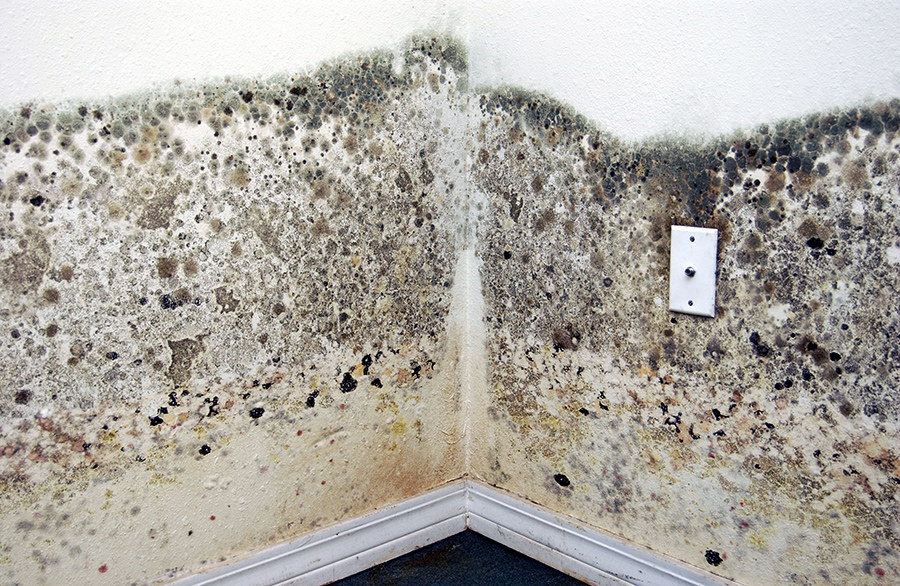
Important Things To Remember When Looking For A Mold Remediation Company

Mold Removal Guidelines for Your Flooded Home

A flood-damaged home needs special care to remove mold safely and effectively. Mold begins to grow on materials that stay wet longer than two or three days. The longer mold grows, the greater the health hazard and the harder it is to control. So, as soon as it is safe to return, don’t delay cleanup and dry out.

Take photographs before cleaning up for insurance purposes, and get started. Do not wait for the claims adjuster to see your home before removing wet and moldy materials. Most homeowners’ insurance policies do not cover mold damages or cleanup costs, but flood insurance may cover it.

What Is Mold?

Molds are a type of fungi. They serve as nature’s recycler by helping to break down dead materials. Molds produce tiny cells called spores that float and spread easily through the air. Live spores act like seeds, forming new mold growths (colonies) when they find the right conditions – moisture, nutrients (nearly anything organic) and a suitable place to grow. Of these, moisture is the key factor – for growth and for control.

Mold and Health

Some people are much more sensitive to mold than others, but long-term or heavy exposure is unhealthy for anyone. Mold can trigger allergic reactions and asthma attacks, may lower resistance to illness or have other effects. Young children, the elderly and the ill are most vulnerable. Some molds can make toxins that can be carried in live or dead spores and fragments. “Black mold” is a misleading term since many molds are black.

Mold Testing and Remediation Services

Mold testing in a home is not usually needed and is rarely useful to answer health concerns. Some insurance companies and legal services may require sampling for evidence. Professional mold remediation contractors may test before and after cleanup to measure the cleanup’s effectiveness.

Mold Remediation Protocols Course

Mold Remediation Protocols continuing education course will teach you the recommended work practices that help ensure a successful large or small mold remediation project. In the absence of state or federal guidelines, it is up to the mold professional to decide which protocols to follow

PMII’s Mold Remediation Protocols course summarizes, compares and contrasts the procedures from both organizations, so that you can make an informed choice that best suits your business

This 9-lesson course will help you gain an understanding of responsible work practices from both organizations that include:

Written contracts and project documentation

How limitations and conflicts can affect a project

Determining which party should correct moisture problems

When to engage an indoor environmental professional (IEP)

Personal protective equipment (PPE) and containment

Methods of communication with affected parties

The treatment of high value and unrestorable contents

The use of disinfectants and gaseous biocides

Recommended and required types of worker training

The steps in work area preparation and containment removal

The sequence of activities for HVAC remediation

As you complete each lesson, you will use interactive flash cards and take practice quizzes that will test and verify your knowledge simultaneously through instant computerized feedback. Your computer records the results so you can easily track your progress. When you finish the course and pass the final exam, you will possess the knowledge and skills needed to determine which set of protocols your mold remediation business will follow.

Mold Removal and Remediation

Once you’ve identified mold within your home or business, the next step is to ensure its effective removal from the property. Considering the potential property damage and health issues that mold can cause, it’s important for you to make sure this mold is removed from the property as quickly as possible.

Mold Removal Specialist Remediate Mold?

Professional mold remediation is often a necessity in the event when mold is encountered in a property, requiring specialist equipment and expertise. The remediation of mold is a complex process and involves much more than just a simple wipe clean of the affected surfaces. This, and the potential health hazards and risk of recurring issues, means that most mold damage scenarios are often best treated by mold remediation professionals.

Fix Any Moisture Problems First

If you suspect that your mold problem has been started by a leak or other water problem, ensure that you fix this first. Mold requires moisture to grow, if your home or business still has a water ingress problem, it’ll make it very difficult to remove the mold problem. If your mold issues are occurring in a naturally damp environment, such as a shower room, extra ventilation may be necessary.

Isolate Areas of Mold

In order to avoid any cross-contamination, areas of mold must be isolated from other areas before demolition, cleaning or drying can begin. Any airflow across affected moldy surfaces can spread mold spores around the building and spread contamination.

Throw Out Absorbent Materials

Certain items that have been affected by mold, particularly porous items, will need to be removed completely. These can either be sent for specialized cleaning (see below) or thrown away. For example, items such as carpet or furniture have fibers in which mold can remain even if you feel you’ve cleaned them thoroughly. This means they may need to be thrown out in order to stop the problem from reoccurring.​​​

Clean Away the Mold

Once highly affected porous materials, such as gypsum board, have been removed, any remaining materials like plywood subfloors and Douglas fir framing can then be cleaned. All visible traces of mold will be removed before an antimicrobial or biocide spray is used to clean the surfaces during a wet wipe. You may have heard of “mold removal spray” products; however, these are not known to actually remove mold and only assist in cleaning after removal.

Thoroughly Dry

A thorough drying process is required to complete mold remediation. This will be accomplished using air movers and dehumidifiers, as well as moisture meters to provide an accurate reading as to whether the materials are dry.

Mold Remediation in Occupied Homes

The purpose of this document is to assist builders with the decisions regarding what to do and how to do it when mold is found in specific locations. This article provides both general guidelines for mold remediation as well as specific guidelines for the typical locations where mold is most often found in houses.

The recommendations presented are based on the current Health Department guidelines. The purpose of this document is to assist builders with the decisions regarding what to do and how to do it when mold is found in specific locations.

Unfortunately the area of involvement is often difficult to determine before removing sheathing or gypsum board. These recommendations are based on typical locations where moisture and mold occur in houses. Each case, however, is somewhat different, so proceed with caution and realize that the problem might be greater than anticipated.

Steps for Responding to Mold Problems

Respond quickly with appropriate actions to stop water damage and limit potential exposure to occupants

Identify

The cause of the moisture problem

The extent of contamination

The safety precautions for remediation

Implement remediation

Remove damaged material that cannot be effectively cleaned or that is more expensive to clean than replace.

Clean and salvage materials that are not severely damaged.

Dispose of the damaged material in an appropriate manner. Moldy materials can be sent to a regular landfill. Seal them in plastic bags to protect workers while the material is in transit.

Repair and replace removed materials incorporating the necessary changes to correct the underlying moisture problem.

Dry out the area being remediated before closing in a wall or ceiling.

Mold Awareness, Prevention, Guidelines for Reporting and Remediation

Molds are part of the fungi kingdom, which includes yeasts, molds, smuts and mushrooms. Molds are ubiquitous—many thousands of mold species can be found indoors and outdoors throughout the year. They can grow almost anywhere, as long as optimal temperatures, moisture, oxygen, and food sources, such as organic matter are present. Growth of mold thrives in warm, humid places such as bathrooms, kitchens, or basements.

Mold spores cannot be eliminated, but actions to prevent and remediate can be taken. Mold spores can enter buildings through open doors, windows, vents, and heating and air conditioning systems. Mold in the air outside can be brought indoors on clothing, shoes, bags, and even pets.

Mold will grow where there is moisture, such as around leaks in roofs, windows, or pipes, or where there has been a flood. Mold grows on paper, cardboard, ceiling tiles and wood. Mold can also grow in dust, paints, wallpaper, insulation, drywall, carpet, fabric, and upholstery.

Prevention

In order to prevent the active growth of mold, moisture sources and indoor relative humidity must be controlled. The following are essential in minimizing the potential for mold growth:

Repair plumbing leaks as soon as possible.

Prevent moisture condensation.

Keep HVAC drip pans clean, flowing properly, and unobstructed.

Perform regularly scheduled building HVAC inspections and maintenance, including filter changes.

Maintain indoor relative humidity at levels to prevent the potential for mold growth.

Venting moisture-generating appliances to the outside where possible.

Venting cooking areas and bathrooms.

Clean and dry suspect areas within 48 hours. If carpets and upholstery cannot be dried  a professional assessment is required.

Identify areas of water infiltration, identify the cause and take preventive action to prevent recurrence in a timely fashion.

Provide adequate drainage around buildings and sloping the ground away from building foundations.

Potential Health Effects

Potential health effects from environmental mold spore exposure vary from person to person. Most persons who do not have mold-related allergies are not affected by typical airborne spores. However, individuals with allergies or sensitivities to mold or have immunodeficiency may have more adverse reactions. For these individuals, molds can cause headaches, nasal stuffiness, throat irritation, coughing or wheezing, eye irritation, aggravation of asthma symptoms, or in some cases skin irritation. People with severe allergies and immuno-compromised individuals need to follow their physician’s guidance.

Establish Business With Ease Outsource Payroll Service To Professionals

Should I run my own payroll or can my accountant do it?

Whether you run your payroll in-house or through an outsourced provider is an important decision to make.

To run the payroll yourself, you’ll need to know the basic elements of setting up PAYE, employee records and managing pay, holiday and other employee pay issues – find out more about how to set up a payroll system here

  • For small business with only one or two employees, it’s possible to manage your payroll yourself – but remember it will eat into your business time each month.
  • For businesses with more than a couple of employees, or where you’d rather hand over the reins of running your payroll to a third party, signing up with an outsourced payroll provider makes a lot of sense. You spend less time on payroll admin and more time focusing on the things that matter to you as a business owner.

Working with an accountant who offers payroll services, or a specialist outsourced payroll provider, takes the payroll admin weight off your shoulders. When you have payroll expert on board, your systems will be set up right, your processes will be efficient and you’ll always have someone at hand to ask any tricky questions relating to employee pay and benefits.

With your payroll outsourced to a specialist, you can forget about this and let the professionals take care of all the checks, updates and payroll procedures.

Ways to run payroll

The three main ways to run payroll are manually, using payroll software, or outsourcing your payroll to a specialist service provider. Here is a brief description of the pros and cons of each of these options:

  • Manually: This can look attractive as it means you don’t incur the cost of paying a payroll service provider. However, operating payroll manually can be risky as it is error prone especially if you are not experienced in payroll. Also, payroll legislation can be complicated and it is not easy for any one individual to keep up to date tax and employment law changes that can affect employee pay and deductions.
  • Payroll software: Depending on your business structure and how many employees you have, payroll software can be cost-effective. There are various cloud-based solutions available — e.g. Thesaurus, BrightPay and Sage Payroll to name just a few. It is important to choose the right solution, checking carefully that it integrates with your accounting software and is compatible will Revenue’s systems. You also need to understand how to operate the software correctly. Training is usually required especially if you do not have previous payroll knowledge and experience.
  • Outsourced payroll: This is where you use a specialist like GroForth to manage your payroll on your behalf. While outsourcing can save you time and is often more cost effective than trying to manage payroll in-house, you need to choose your payroll service provider carefully making sure that they have the resources and skills to deliver the services you need. Similar to choosing payroll software, don’t forget to check that the service provider’s systems and processes integrate reliably with your accounting software and Revenue’s systems.

How to do payroll manually, without software

Here are the steps you need to follow each pay period if you want to go it alone and run payroll manually.

Step 1: Calculate your employees’ wages.

Add up all the hours each employee worked, subtract any break time, and multiply the result by their hourly pay rate. Assuming you use paper time sheets, this step will be easier if you transcribe the hours into Excel and do the calculations on your computer. Microsoft even offers a ready-made template you can use. And remember, depending on your local laws and each employee’s classification, you may need to calculate overtime wages as well.

Step 2: Calculate how much to withhold for taxes.

The next step is to subtract the appropriate amount to withhold from each employee’s paycheck for taxes such as:

  • Federal, state, and local income taxes
  • Social security
  • Medicare
  • Federal and state unemployment taxes

The exact amount will vary for each employee based on the allowances outlined on their W-2. You can use the IRS’ tax withholding calculator to determine the right amount to withhold for individual employees. The Excel template we linked to in Step 1 also allows you to input withholding percentages for different types of taxes. Either way, be sure to double check your math, as you can incur big fines for any mistakes you make.

Step 3: Pay your employees.

Now that you’ve calculated how much to withhold for each employee, subtract that amount from their total wages and you’ve got their take-home pay. Provide a document stating each employee’s take-home pay to your direct deposit provider –they can let you know how to format it — and the money will be deposited into their bank account.

Step 4: Pay your taxes.

Next, you need to pay your taxes by periodically depositing the money you withhold to the IRS. You won’t necessarily be making these payments on the same schedule you pay your workers, so this step may not be part of your payroll process per se. Instead, you’ll pay your taxes on either a monthly or semi-weekly basis depending on your tax liability in the previous year. The IRS explains more here.

You need to make make your tax deposits electronically using the Electronic Federal Tax Payment System (EFTPS), which you can register for here.

After that, you’re done with payroll! There are other tax-related tasks you’ll need to complete throughout the year, such as your quarterly returns and annual filings, but these are the steps you need to complete to pay your workers and do your taxes each payroll period. Please also note that there may be additional steps depending on what state you’re in.

10 things you need to know about running your own Payroll

Whether you’re employer or employee, payroll can, at times, seem like a dark art. Indeed the most frequent questions I receive are always prompted by the pay packet being a little lighter than expected. Here’s a list of 10 things you need to know about payroll.

  • If you pay anyone over £109/wk (£473/m) OR this is their second job, you must report Real Time Information to HMRC. This follows rules which came into force in April 2013. If one employee falls within RTI, they all do; even the paperboy!
  • Payroll details must be reported each time you pay the staff, at or before the point you pay them
  • If a new employee starts and doesn’t (yet) have a P45, you should work out their tax code using a starter checklist (or equivalent)
  • You must issue payslips to your staff, detailing any deductions made (they can be sent by email)
  • In addition to the gross pay, employer’s National Insurance is an extra cost to the employer. Factor in an extra 10% if you’re thinking of employing someone
  • Statutory Sick Pay cannot be claimed back unless it exceeds 13% of your monthly NI bill, and then you can only claim the excess
  • If you qualify for Small Employers’ Relief, Statutory Maternity Pay (and other parental pay) can be claimed back in full with an extra 3% compensation
  • For PAYE purposes, tax month 1 begins on 6th April and ends on 5th May
  • Each tax month begins on the 6th and ends on the 5th, with month 12 ending on 5th April
  • As a normal year includes 365 days, which is 52 weeks and 1 day, a weekly pay date that falls on the last day of the tax year is treated as week 53

Should you use payroll software to run your company’s payroll?

Are you feeling a little overwhelmed right now?

If so, you may want to consider using payroll software to manage payroll, track taxes, and pay your employees.

There are plenty of benefits to using payroll software or services including:

  • Reduced workload: Using a payroll service, all you typically need to do is enter pay information for each employee and the software or service does the rest.
  • Reduction in mistakes: Though mistakes can still be made, the number of payroll errors drops dramatically when you use payroll software.
  • Calculation and filing of all payroll taxes: This is the number one reason why small businesses turn to payroll software or services to manage their payroll. All you need to do is provide the service with the appropriate tax ID numbers, and it does the rest. For instance, payroll software providers such as RUN Powered by ADP and Paycor include complete tax calculation and filing with all of their small business plans.
  • More free time: Instead of spending hours and hours running payroll, completing reports, and remitting tax payments, you can spend that time growing your business.

Commercial Window Cleaning Benefits

THINKING OF STARTING A WINDOW CLEANING BUSINESS?

Starting a window cleaning business is an attractive venture in almost every sense: you get to be your own boss, there’s no lengthy or expensive training, overhead costs are low, and there’s tons of opportunity to grow.

Still, there is some legwork required to get started, from getting window washing insurance to learning how to price jobs. To take the guesswork out of it all, we asked two window cleaning experts to share what they’ve learned from their years in the business.

Is window cleaning a good career?

In short, yes, window cleaning can be a great career. It’s highly profitable, since you collect payment on the spot, revenue is recurring, and overhead costs are so low. A typical day as a window cleaner includes canvassing, bidding jobs, scheduling visits, handling customer service, and day-to-day operations.

In order to excel at owning a window cleaning company, you need to excel at sales and customer service. You must also be physically fit and ready to handle some rejection, especially during your early days of cold calling and canvassing.

How much do window cleaners make?

The average window cleaning salary is $15-25 per hour, or $30,000-$50,000 per year, going up to $60,000 depending on your region. The average high rise window cleaning salary is higher, starting at $18 per hour. You can also think of your window cleaning salary in terms of jobs: the average residential job is $180. If you complete 3 jobs a day, that’s $2,700 a week in revenue.

Window Cleaner

THE JOB AND WHAT’S INVOLVED

Window cleaners wash windows and other glass surfaces. They are responsible for removing built-up dirt and grime from the glass, and making sure the finished result is clean and free of smears.

Window cleaners work on all types of buildings that have windows and other glass surfaces. These might include private houses, as well as commercial businesses such as shops, factories, hospitals and offices.

The windows are cleaned using water and normally a detergent. These are applied to the glass using a non-scratch applicator and removed using a rubber ‘squeegee blade’. Scrim or microfibre cloth is used for ‘detailing’ (drying off around the edge of the glass) and towelling cloths are used to remove excess moisture from window sills.

Ladders are commonly used to reach ground floor and first floor windows. Health and safety directives govern work at any height above ground level with the aim of reducing the number of falls from ladders. The guidelines advise avoiding the use of ladders wherever possible, so many window cleaners now use a water-fed pole. This pressurised water pump system enables windows to be cleaned at heights of up to 20 metres, without the use of ladders or other heavy access equipment.

Self-employed window cleaners are responsible for agreeing with their customers a price up front, collecting payments and writing receipts, as well as all the other aspects of running a business, such as keeping accounts, completing tax returns and marketing the business. In the case of larger companies or contracts, invoices are often sent direct to the customer, although the window cleaner may have to complete paperwork such as job sheets or time sheets.

How to start a window cleaning business

WELL, WINDOW CLEANING IS NOT ALL ABOUT STEP LADDERS, SUDS, AND BUCKETS. BUT IF YOU ARE REASONABLY FIT OR CAN HIRE REASONABLY FIT PEOPLE, HAVE GOOD ATTENTION TO DETAIL, ARE SELF MOTIVATED AND HAVE GOOD COMMUNICATION SKILLS, WINDOW CLEANING CAN BE QUITE A LUCRATIVE BUSINESS. THE STARTUP COSTS FOR WINDOW CLEANERS ARE LOW AND WITH A LITTLE BIT OF COMMITMENT, YOU CAN MAKE IT WORK.

Given its previous bad reputation as a dangerous occupation, you may be forgiven for taking your time before taking the plunge. However, it has been shown that the modern window cleaning professional comes from all walks of life. You can find almost anyone from former hedge fund managers, wife and husband teams, and persons bred in the country and those from the city among many others. Like most easy to start and inexpensive small businesses, the success of your window cleaning business will only be limited by how much passion and commitment you have for the job.

Understand the Startup Costs

The good thing about starting a window cleaning business is that the startup costs are low. While there are some essentials you will need, such as training and insurance for staff, you could get by with bare minimums until you land some good contracts or find funding from somewhere.

You will still have to pay for equipment and essentials such as vehicles to transport your crew to work sites. Other critical things you will need for your startup may include marketing, branding, logo design, website design, and public liability insurance. Before you go any further you need to think about creating a business plan. Having a business plan can really help ensure your business goes where you want it to in the future. Many a small business skip business planning but do so at your own peril.

Investing for your startup may cost a pretty penny, especially for an under-funded startup company. However, you need to buy modern equipment and invest in marketing and training if you want to be taken seriously by potential clients. It is always better to find some financial backing so you can invest in branding, search engine optimisation, buying of vehicles, and modern equipment, all of which are necessary to set the business on a firm footing

WINDOW & GUTTER CLEANING

Window Cleaning Services COVID-19 Update: In line with the latest government advice we can now offer our expert window cleaning services to customers again. To ensure we keep our customers and staff safe we can only accept advance booking and prepayment only for the foreseeable future

A streaky, unclean window may not seem like much of an issue, but it can detract from the overall appearance of your property – the aesthetic of fresh paint and beautifully decorated interiors can be hindered by streaky, dirty windows, so it is important they are as clean as possible at all times.

we can simply use our equipment to reach high windows from ground level. If windows are situated above 65ft, we can use a cradle or cherry picker to clean the windows. This helps keep our window cleaners safe without compromising the quality of the work that we provide. Our window cleaners are Ionic-trained, so they are officially classed as a safe contractor.

purify our own water and use the highest quality equipment. We’re more than happy to set up regular visits to domestic and commercial clients, ensuring we meet every requirement. Our team wear hi-vis uniform and work in a socially-distanced manner, adhering to all Government guidelines.

Gutter Cleaning If you find that your gutters are blocked, it’s critical to have them cleaned as soon as possible as this problem can cause water damage and do structural damage to your property. That is why we now also offer professional gutter cleaning for commercial and domestic properties

Unusual Window Cleaning Facts

Window cleaning might sound like a straightforward job with limited risks and not a lot of excitement – except for the occasional tipped-over bucket of water – but actually window cleaning is a heritage job, with a long history and lots of interesting facts. Sometimes window cleaners have to get a bit adventurous in order to access precarious windows and provide the best results!

Most people clean their windows to keep them looking presentable, but actually a dirty window can be much worse than you think. Not only will natural light and heat reduce, meaning higher energy bills, but the dirt from the environment can actually degrade the glass over time, meaning they won’t last as long.

The most effective tool in a window cleaner’s kit is the squeegee, with a rubber blade for removing all water and dirt. This isn’t a modern tool though, it’s been around since the early 20th century and was first developed

Until scaffolding was introduced to access hard-to-reach windows, window cleaners would often simply balance on window ledges. Leather safety harness were introduced in the the 20th century, around the same time as the squeegee.

Window cleaning is still one of the most dangerous jobs around, with the main risk coming from the height at which most workers carry out their trade. In 1962, four window cleaners lost their lives when the scaffold they were using collapsed.

Plastic Surgery Statistics

How many plastic surgery procedures can be done at once?

Is it possible to have multiple cosmetic procedures at the same time?

how many plastic surgery procedures can be done at once

How safe is it to get multiple plastic surgeries at once?

The answer is “yes”, multiple cosmetic surgeries can be performed at the same time.  In fact, the number of patients having more than cosmetic procedure has increased in recent times.

Combining a few minor procedures is certainly safe when there’s a time limit that’s appropriate on anaesthesia, when the patient is a healthy candidate, and when there is the correct decision on which procedures to combine.

Other considerations in determining the possibility of having multiple cosmetic surgeries at same time include:

  • . The patient’s overall health
  • . The areas where the procedures are to be performed
  • . The surgeon’s qualifications and experience
  • . The length of time the patient would need to be under anesthesia

How many cosmetic procedures can be done at once?

The answer depends on the areas of the body you want to treat, the skill and experience of the plastic surgeon, and the amount of time you can take off work. While safety is always the top priority, many cosmetic surgeons are comfortable combining at least two surgeries together as long as you are in good health. The most common plastic surgery procedures that can be combined are liposuction and tummy tuck, rhinoplasty and chin augmentation, and breast augmentation and breast lift.

  • Liposuction and Tummy Tuck: While a tummy tuck used to be a procedure that only Hollywood moms could afford, the surgery is now accessible to regular moms too. Many moms want to eliminate the bulge in their lower abdomen that has been caused by loose fascia that had damaged and ripped during childbirth. They also want to get rid of unflattering love handles on the sides of their waist. A tummy tuck would give them the flat stomach that they always desired and liposuction can provide them with an attractive waistline. In this instance, combining the two procedures would be ideal for patients and situations like these.
  • Rhinoplasty and Chin Augmentation: The combination of these two procedures can make your profile more balanced and harmonious with your face. An example of a situation in which combining these 2 procedures would be optimal is having a disproportionately large nose but a smaller, less prominent chin. For such patients a nose reshaping and a chin implant could drastically improve their facial harmony.
  • Breast Augmentation and Breast Lift: A breast augmentation combined with a breast lift can help you achieve ideally sized breasts that are perkier, fuller, and rounder. As women slowly age, many begin to notice that their breasts begin to sag and lose shape and volume. For these women who long for bigger and more youthful breasts, but don’t want to undergo multiple procedures either, combining a breast augmentation with a breast lift can be the perfect solution.

Possible Benefits of Combining Procedures

SAVES TIME:

Having more than one cosmetic procedure in a single operation might save you time, depending on which surgeries are combined.  Instead of booking separate procedures, consultations and recoveries, you can streamline the process and spend less time in the operating room and our office.

SINGLE RECOVERY PERIOD:

After a plastic surgery procedure, you must plan to spend at least one to two weeks recuperating.  You will need to take time off from work, and have arrangements in place for your family responsibilities, such as childcare.  By combining procedures, you can make it easier on yourself by only having to plan for one period of recovery.

ACHIEVE YOUR ULTIMATE RESULTS FASTER:

Combining procedures into one operation can help you achieve your desired results more quickly if the surgeries that are combined do not work against each other.  Instead of spacing out procedures into separate operations and having to recover in between each surgery — usually three months between procedures — you can complete your transformation quickly.

POSSIBLE COST SAVINGS:

Combining procedures may result in some costs savings, depending on which surgeries are combined.  Medical billing in Australia is very complex, and some operations will be more expensive if combined due to Medicare and Private Health Fund rules.  For example, if a circumferential body lift is performed with any other procedure, then the entire operation is classed as cosmetic and receives no financial help from Medicare or your health fund.

How to Ensure a Safe Plastic Surgery Procedure

Selecting a safe and experienced plastic surgeon will be a choice that you will benefit from for many years.

Credentials

Before undergoing any type of surgery, make sure that surgeon is board certified. You can confirm by checking with the appropriate licensing board.

Experience

The surgeon should also have significant experience in the procedure that you are considering. Review before & after pictures, and ask questions.

Here are some great questions to ask a surgeon.

• How many years have you been performing this procedure?

• How many times have you performed this specific procedure?

• What kind of basic and advanced training do you have in the procedure I am considering?

A great surgeon will have the necessary skills to tailor the procedures to your unique needs, goals, health, and body so that you can obtain the results that you truly want.

Safety

Since plastic surgery is often a life-transforming procedure, you deserve to choose a surgeon who you can feel completely comfortable with your safety and results.

  • The surgeon should be performing the procedure in a AAAASF, AAAHC or JCAHO operating facility certification.
  • The anesthetist administering your anesthesia should be a Certified Registered Nurse Anesthetist (CRNA) or a Board Certified Anesthesiologist.

How long do you have to wait between plastic surgeries?

Most doctors will recommend waiting six to 12 weeks between surgeries. Longer wait times are advised for surgeries involving significant blood loss, an extensive time under anesthesia, or the disruption or removal of major organs or tissues.

How long does it take to recover from a mommy makeover?

one to four weeks Recovery can range from one to four weeks in most cases. Q: How long do I need off from a desk job after a Mommy Makeover? A: Two to four weeks is the average. Some women feel better sooner and choose to return to work one week after surgery.

Protected Beds Can Still Get Bed Bugs

How to get rid of bed bugs fast

Bed bugs are small insects that feed on human blood. Since they’re less than a quarter of an inch long, they’re almost impossible to spot. But they can be found anywhere, from houses to nursing homes and hotels.

The tell-tale sign is small bites clustered in a group or line on your skin. Although bed bug bites are itchy, they’re usually harmless.

Signs of bed bugs

Bed bugs usually live in or around your bed, and they commonly hide in the creases and seams of mattresses or upholstery. However, it’s rare to actually spot a bed bug.

“Sometimes it can be very hard to tell if you have bed bugs as they remain in hiding places through the day time and only come out at night to feed when we are in a deep sleep,”

Bed bug bites that appear in a cluster or line on your skin. Bites will appear red on light skin, or could look dark on darker skin. They will be smaller than mosquito bites.

Red or rusty colored stains on your mattress or sheets. This can occur when you inadvertently squish bed bugs.

Dark brown or black stains on your mattress or sheets that almost look like they were drawn by a marker. These are bed bug feces.

Comprehensive DIY Bed Bug Treatment Guide

Your worst nightmare has just become your reality. You’ve either woken up to unbearably itchy red welts, found tiny black fecal spots on your sheets, or found a bed bug (live or dead) in or around your home. Perhaps you’ve had an exterminator come into your home to verify but you’re debating on whether or not your can afford the cost of professional treatment options vs. DIY bed bug treatment. However you found the bed bug(s), you’re panicking because they’re now in your home.

Treating bed bugs is a complex process that we cannot recommend as a DIY project. It’s not something to undertake yourself unless you have time, spending money, and a whole lot of patience. Your individual likelihood of success in your DIY bed bug treatment efforts depends on a variety of factors

including:

How many bed bugs are actually in your home (the extent of your infestation)

How much clutter and stuff is in your home (allowing for hiding places for the bed bugs)

Whether your neighbors also have bed bugs (if you live in an apartment complex)

Whether or not all members of your home or building will cooperate in your efforts

But first… Some facts to know about bed bugs

Bed bugs can’t fly or jump (but they do crawl at a relatively fast speed)

Despite popular belief, bed bugs don’t reproduce at an absurd rate. Adult females produce about one to five eggs per day (to compare, a common housefly lays 500 eggs over three to four days). Each egg takes 10 days to hatch and another 5 to 6 weeks for the offspring to develop into adults.

There’s a common misconception about the lifespan of bed bugs. Many people assume that bed bugs can live a year without food. At about 73 degrees Fahrenheit, bed bugs can only survive 2 to 5 months without a blood meal. That being said, they are cold-blooded. In colder climates, their metabolisms slow down and they are capable of living up to a year without feeding.

Bed bugs don’t just bite at night. While they are nocturnal and most likely to appear and bite in the middle of the night, they are opportunistic feeders. Like humans, if they’re hungry they will get up and get something to eat, even in the daytime.

Despite their name, bed bugs don’t just reside in your bed. They’re likely to be seen crawling around couches, chairs, railings, kitchen floors, and even ceilings. This means that your bedroom shouldn’t be your only target when partaking in your DIY extermination endeavors.

You’re not a dirty person for having bed bugs. Bed bugs aren’t attracted to dirt or grime, they’re just looking for a blood meal anywhere they can get it. While homes that have more clutter offer more places for bed bugs to hide and thrive, even minimalists can get these nasty critters.

Bed bugs don’t transmit diseases to humans. While bites can be painful and lead to anxiety, sleeplessness, and secondary infections (don’t scratch!), there have been no reported cases of bed bugs transmitting diseases to people. If you’re dealing with discomfort, use an anti-itch cream, calamine lotion, aloe vera, witch hazel, an antihistamine, and/or a baking soda + water paste to alleviate the itching and burning sensations.

Can you only have 1 bed bug?

Only found one lone bed bug? Although it’s possible that you may only have one bed bug, it’s highly (highly) unlikely. Unfortunately, more often than not, finding a bed bug is a clear sign that you have an infestation.

A BEGINNER’S GUIDE TO BED BUGS

The common bed bug or Cimex lectularius to use their Latin name have been feeding off humans for thousands of years. Bed bugs love nothing more than to feast on human blood and they thrive in warm environments. They are typically 4-5mm in length and can grow up to 3mm wide. These dimensions coupled with the fact they’re most active at night, make them very difficult to spot with the naked eye.

How to tell if you’ve got bed bugs

There are a number of tell-tale signs that you may have bed bugs. Whether it’s in your own home or a hotel/B&B you run

look out for the following clues that bed bugs are around:

A distinctive smell

The smell emitted by bed bugs is often likened to that of rotting raspberries. In other words it’s very sweet and sickly. Bed bugs do give off a very distinctive odour, so if you think you might smell this and notice either of the other signs below, you should call us to come out and check for bed bugs.

Small dark blood spots in and around your bed

Since bed bugs like to feed on human blood, it’s fairly common to spot small dark spots on your bed sheets or around the frame of your bed if you have an infestation. It’s very hard to see individual bed bugs with the human eye, so signs such as these are one of the best ways to tell if you have a problem.

Bed bug skins

Bed bugs have a total of six life stages they go through. At each of these stages they will shed their skins and these can often be spotted in bed clothes.

How to prevent a bed bug infestation

Preventing bed bugs isn’t easy due to the variety of ways they can be brought into your home. For example second hand items of furniture, being carried on pets & humans and infestation in neighbouring properties where there’s a route for bed bugs to travel to yours.

Health problems associated with bed bugs

Bed bugs can have an impact on various aspects of your health if they’re left untreated.

Bites

In severe cases, people have woken up to find their face and neck covered with bed bug bites. These can be irritating as well as looking unsightly. If you run a hotel or B&B, the last thing you want is your customers being eaten alive by bed bugs while they sleep as this could damage your reputation.

Allergic reactions

Some people may develop an allergic reaction to being bitten by bed bugs. This may take the form of a rash on their arms, face or neck and can be uncomfortable as well as affecting their appearance.

Worry

Bed bugs can cause unnecessary amounts of worry and stress if they’re left untreated. It’s difficult to get a good night’s sleep if you think there are tiny little creatures waiting to bite you in the night.

Get rid of bed bugs: The guide

had a lot of people desperate to know how to get rid of bed bugs. Here is quick and easy guide to understand where they’re coming from and how to get rid of them

What are bed bugs?

Bed bugs are flattened oval body parasitic insects that feed exclusively on blood.  A bit bigger than a grain of rice (0.15 to 0.27 inches) which makes it difficult to spot them. They can easily be mistaken for tiny dirt particles. Their colour varies from the yellow to dark red-brown, according to the stage of development and the ingested blood. The bed bugs eggs are white and measure approximately 0.039 inches long. The common bed bugs are scientifically called “

Microscopic picture of a bed bug Their favourite food is human blood and they preferably feed at night time, which is why we are bitten at night when we are asleep. The bed bug generally hides in the folds of mattresses and bed bases. Bed bugs like dark and quiet places, such as cracks in walls, in plug sockets and behind picture frames.

Why are bed bugs infestations increasing?

In the late 90s, bed bug infestations became more common but the reasons for these infestations are not clearly known. Different factors mentioned by specialists could be an increase of international journeys and also the ability of bed bugs to be more resistant to weak insecticides

You’ve got bed bugs if you notice any of the followings:

The presence of visible bites on the skin, often in rows or/and grouped.

The presence of bedbugs and their excrement: small black spots on the mattress, sheets, the bed base or walls.

The presence of big and long tracks of blood on sheets. They may be squashed by a person when asleep.

HOW TO GET RID OF BED BUGS

Bed bugs: who needs ’em? If you’ve discovered bites on your skin, or found those pesky little things crawling around on your bed or nearby, take action right away! Don’t live with this stressful problem, and don’t spend thousands replacing your mattress or paying an exterminator to perform a treatment that you can do yourself for less.

STOP THE BITING

The first goal in a bed bug treatment is to stop bed bugs from biting you while you sleep. If bed bugs can’t feed, they can’t breed. If they can’t breed, then they can’t reproduce, and the infestation won’t be able to grow any further. This means that as soon as you remove their food source (your blood), you set a timer for the infestation to starve off.

KILL BED BUGS IN YOUR BED

To begin, strip your bed of all sheets, pillowcases, and other bedding, and seal them in plastic garbage bags to keep bed bugs from escaping and infesting other parts of your home. Take the bags straight to the washing machine, and wash them using the hot water setting. Then, dry the bedding on high heat if their tags allow it. This heat treatment will kill any bed bugs or eggs hiding in your bedding.

While your laundry cycle is running, use a vacuum cleaner to remove any bed bugs, shells, fecal droppings, or eggs that might be along the seams of your mattress, pillows, box spring, and along the cracks and crevices in the bed frame, headboard, and footboard. Follow up the vacuuming with a high pressure steamer to penetrate deep inside mattresses, box springs, bed frames, headboards, and footboards to kill bed bugs and eggs on contact.

MAKE YOUR BED BITE PROOF

Now that you’ve killed the bed bugs hiding in your bed, it’s time to put up defensive measures to keep them out. Remember, bed bugs can be hiding in all sorts of cracks and crevices throughout your bedroom – in furniture, along baseboards, and inside of the walls – so you need a way to keep them out of your freshly treated bed. By cutting off the infestation’s food supply (you), you halt their breeding and reproductive cycle, making the treatment a whole lot easier.

Wintery Weather Keeping Auto Repair Shops Hopping

Keep Your Car In Shape By Taking It To A Good Auto Repair Facility

You need to take good care of your car just like you would your body. A car needs special maintenance to keep it moving as well as to increase its lifespan. A vehicle is also an important asset; therefore, taking care of it will save you a lot of money that you would otherwise spend at a car mechanic. You will only need to deal with minor repairs at minimal costs if you use these tips to keep your car in top condition.

1. Check (and change) the oil

Oil is a crucial element in your car and it can’t move without it. A mechanic should regularly check your car’s oil and change it every 3,000-5,000 miles. Some oil manufacturers state that their oil lasts 10,000 miles. However, it is advisable to use the same oil without exceeding 5,000 miles. This will help maximize the reliability and efficacy of the engine for a long time.

2. Keep the interior clean

Cleaning and vacuuming the interior of your car keeps it in good shape. A neat looking interior also makes it marketable when it comes to selling. When inside the vehicle, you can be notified of any problems via a diagnostics cable. Ensure your VCDs are intact to alert you of any issue with specific parts of your car.

3. Replace the brakes

Most modern cars have braking systems made in a way that makes them easy to be replaced periodically. This makes the car maintain maximum braking efficiency. You have to be keen to notice any issue with your car brakes that require immediate checkup, as failed brakes can cause serious injuries.

4. Don’t wait to repair

It’s essential to learn about your car’s maintenance and repair basics. This will help you explain issues to your mechanic without being taken advantage of. Waiting to repair your car can lead to severe damage which could be even more costly than the original repair. When buying a car, you need to create a budget with an estimated cost of what you might spend on repairs and maintenance. Check the prices for spare parts or repair costs before you take your car to the shop.

5. Search for reputable mechanics

Chances are high that you will look for a competent doctor when you are sick. Similarly, you should treat your car the same way. Searching for a reputable, experienced, and trustworthy auto technician will help keep your car in good working condition. Therefore, search for dealerships that sell the specific car or an all-inclusive car shop directory. You can also get referrals from friends for a genuine auto repair expert.

Have cooling systems flushed and change coolants

Engine oil isn’t the only type of oil in your car that needs to be checked at regular intervals.While they don’t need to be checked and changed nearly as often, transmission and differential oils should be changed at specific times as well. A general rule of thumb is to change your transmission fluids every 30,000 miles, but you should consult your owner’s manual to see what is recommended for your make and model.

If you have a front-wheel drive vehicle, there is no need to change differential fluid. Why? Because in front-wheel drives, the differential is located in the front and shares fluid with your transmission. In rear-wheel drives, the differential oil is located in the back, while four-wheel drives have three differentials – one in the front, one in the center, and one in the back. This differential oil should be changed at the same intervals as the transmission oil.

Change transmission and differential oils

If you’re having regular maintenance done to your car, particularly oil changes every 3,000 miles, maintaining your cooling system is easy to do. Start by checking your coolant every other time it is time to change the oil, or at least twice per year.

While it may be a good idea to check your coolants a couple of times a year, that doesn’t necessarily mean it needs to be changed that often. In fact, it’s often sufficient to have it changed once every 2-3 years, or 24,000, to 36,000 miles, whichever comes first. If you drive in extremely hot temperatures, you may need to change your fluid more often, perhaps even as often as once a year. The build-up of corrosion and other deposits can be prevented by using a mixture of half coolant and half distilled water. This should be done once every year and will keep your cooling system in good working order for miles to come.

Check the Tires’ Air Pressure

Newer cars have a tire-pressure warning light to let you know that your tires are low on air, but older cars do not. In any case, it’s best to purchase a tire-pressure gauge at an auto-parts store for a few dollars and check your tire pressures to make sure they’re set correctly. Here’s what you need to know:

  • A sticker on the driver’s door pillar lists the proper inflation pressure for when the tires are cold (meaning that you haven’t yet driven on them that day).
  • If you set the pressures after you’ve been driving for a while (more than a few miles), they should be raised by three pounds per square inch, as tires warm up and pressures rise when they are driven on.
  • Check your tire pressures once a month for a couple of months. If the pressures remain steady, you can check them quarterly, as you know the tires are holding air.

Advantages of Having Your Vehicle Serviced Regularly

Having your vehicle serviced regularly comes with many advantages to the vehicle, and you, the driver. Some of these advantages include:

Increases Driver Safety

No matter how well you can drive your vehicle, the safety of you and those around you relies heavily on how good the condition of your car is. Letting the condition of your car deteriorate over time increase your risk of an accident by fifty percent. A simple check of your tires, oil, and brake fluid can help to keep you and others on the road safe at all times.

Enhances Fuel Economy and Boosts Performance

These days, with the increase in fuel prices, it’s important to get the most out of your vehicle when driving. Having a regular vehicle service can mean the difference between a fuel guzzler and how efficient your vehicle can be. When a vehicle has been serviced, drivers have noted a ten to fifteen percent enhancement in their fuel economy. Not only that, but their vehicle’s performance also exceeded expectations.

Extends Your Cars Lifespan

These days, not everyone has the opportunity to replace their vehicle. Another advantage of having your vehicle regularly serviced and maintained is that it will extend the life of your vehicle greatly. This is why many manufacturers have warranties which state that all vehicles must be serviced, for the warranty to be effective. It’s important, however, to remember that, when having your car serviced, it needs to be serviced by a trained professional, and that the work carried out on the vehicle needs to be in accordance with the guidelines that have been set in place by the manufacturer.

Improves Selling Price

Regular maintenance of your vehicle will also help to ensure that you can sell your vehicle at a higher price, if needed. Buyers like vehicles that are well maintained and will generally pay a little more for a well-cared for vehicle. If you plan to sell your car at a later date, it’s important to keep this in mind if you want the best price for your used car.

Saves Unnecessary Costs

Servicing your vehicle regularly can help to reduce the risk of having to pay for preventable and unnecessary costs. For example, if the oil level isn’t checked, and it becomes low, it can cause the motor to seize up. This means the motor is no longer viable, resulting in a replacement motor which can cost you from $3000 and up, depending on the vehicle you own. Compare this to a small regular servicing, which could cost you a couple hundred dollars; it’s no wonder many people are opting for the regular service.

Tips for Good Auto Repair Service

Dog-ear your owner’s manual.

Yes, it’s your car’s bible! Knowing where to find information quickly can help in identifying causes when trouble arises. You may even be able to avoid a trip to the auto mechanic in the first place if you discover that your “problem” stemmed from not understanding your car’s controls. Beyond knowing the make and model of your vehicle, it also helps to have the specific trim level on hand for the service technician, as that often identifies the engine size and configuration, transmission and other included features that vary across the model line. Be aware of your exterior paint and interior color codes in case body or upholstery repair is necessary. Keep your vehicle identification number (VIN) available, as this code will likely be required when scheduling service.

Keep your records in order, and take them with you.

Have records available on everything you do to maintain your car — and keep them in the car if possible. Well-kept records can be instrumental in correctly diagnosing a vehicle problem the first time. Incomplete records can lead to redundant auto repairs that waste your time and money. A vehicle with a well-documented repair service history also tells your mechanic that you value first-rate work at the recommended intervals, and have done your part to keep your vehicle in tip-top shape.

Is the technician trained on your specific vehicle make?

Cars and trucks today are extremely complex machines, and their unique characteristics vary heavily from brand to brand. Making certain that your technician has obtained the proper training for your specific vehicle is crucial since special tools and procedures — many of which are not easily available to the “average” auto mechanic — are required to correctly service your auto.

Is the service technician A.S.E.-certified?

Twice annually, the National Institute for Automotive Service Excellence offers auto service industry professionals the chance to become A.S.E.-certified. By passing a written test and having at least two years of work experience in auto repair service, auto mechanics earn A.S.E. certification, placing them among the top practitioners in the industry. Inquiring about A.S.E. credentials is important, as the designation better ensures the competence of your prospective car mechanic.