How to get rid of bed bugs fast
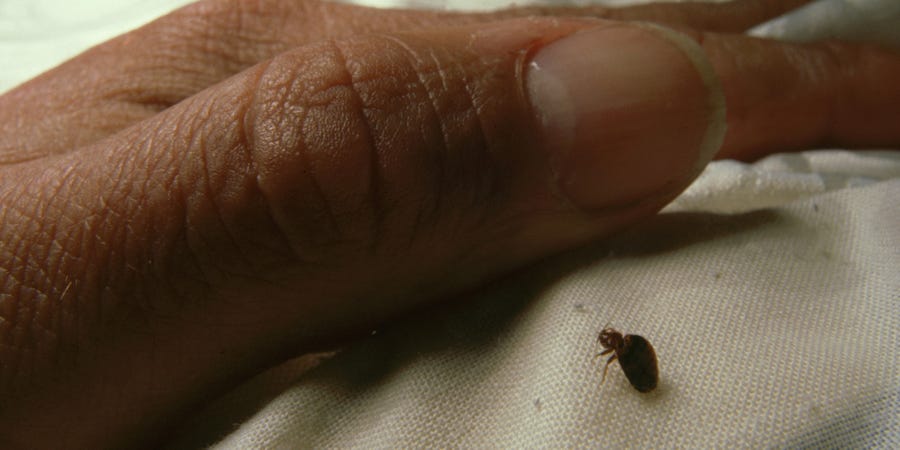
Bed bugs are small insects that feed on human blood. Since they’re less than a quarter of an inch long, they’re almost impossible to spot. But they can be found anywhere, from houses to nursing homes and hotels.
The tell-tale sign is small bites clustered in a group or line on your skin. Although bed bug bites are itchy, they’re usually harmless.
Signs of bed bugs
Bed bugs usually live in or around your bed, and they commonly hide in the creases and seams of mattresses or upholstery. However, it’s rare to actually spot a bed bug.
“Sometimes it can be very hard to tell if you have bed bugs as they remain in hiding places through the day time and only come out at night to feed when we are in a deep sleep,”
Bed bug bites that appear in a cluster or line on your skin. Bites will appear red on light skin, or could look dark on darker skin. They will be smaller than mosquito bites.
Red or rusty colored stains on your mattress or sheets. This can occur when you inadvertently squish bed bugs.
Dark brown or black stains on your mattress or sheets that almost look like they were drawn by a marker. These are bed bug feces.
Comprehensive DIY Bed Bug Treatment Guide
Your worst nightmare has just become your reality. You’ve either woken up to unbearably itchy red welts, found tiny black fecal spots on your sheets, or found a bed bug (live or dead) in or around your home. Perhaps you’ve had an exterminator come into your home to verify but you’re debating on whether or not your can afford the cost of professional treatment options vs. DIY bed bug treatment. However you found the bed bug(s), you’re panicking because they’re now in your home.
Treating bed bugs is a complex process that we cannot recommend as a DIY project. It’s not something to undertake yourself unless you have time, spending money, and a whole lot of patience. Your individual likelihood of success in your DIY bed bug treatment efforts depends on a variety of factors
including:
How many bed bugs are actually in your home (the extent of your infestation)
How much clutter and stuff is in your home (allowing for hiding places for the bed bugs)
Whether your neighbors also have bed bugs (if you live in an apartment complex)
Whether or not all members of your home or building will cooperate in your efforts
But first… Some facts to know about bed bugs
Bed bugs can’t fly or jump (but they do crawl at a relatively fast speed)
Despite popular belief, bed bugs don’t reproduce at an absurd rate. Adult females produce about one to five eggs per day (to compare, a common housefly lays 500 eggs over three to four days). Each egg takes 10 days to hatch and another 5 to 6 weeks for the offspring to develop into adults.
There’s a common misconception about the lifespan of bed bugs. Many people assume that bed bugs can live a year without food. At about 73 degrees Fahrenheit, bed bugs can only survive 2 to 5 months without a blood meal. That being said, they are cold-blooded. In colder climates, their metabolisms slow down and they are capable of living up to a year without feeding.
Bed bugs don’t just bite at night. While they are nocturnal and most likely to appear and bite in the middle of the night, they are opportunistic feeders. Like humans, if they’re hungry they will get up and get something to eat, even in the daytime.
Despite their name, bed bugs don’t just reside in your bed. They’re likely to be seen crawling around couches, chairs, railings, kitchen floors, and even ceilings. This means that your bedroom shouldn’t be your only target when partaking in your DIY extermination endeavors.
You’re not a dirty person for having bed bugs. Bed bugs aren’t attracted to dirt or grime, they’re just looking for a blood meal anywhere they can get it. While homes that have more clutter offer more places for bed bugs to hide and thrive, even minimalists can get these nasty critters.
Bed bugs don’t transmit diseases to humans. While bites can be painful and lead to anxiety, sleeplessness, and secondary infections (don’t scratch!), there have been no reported cases of bed bugs transmitting diseases to people. If you’re dealing with discomfort, use an anti-itch cream, calamine lotion, aloe vera, witch hazel, an antihistamine, and/or a baking soda + water paste to alleviate the itching and burning sensations.
Can you only have 1 bed bug?
Only found one lone bed bug? Although it’s possible that you may only have one bed bug, it’s highly (highly) unlikely. Unfortunately, more often than not, finding a bed bug is a clear sign that you have an infestation.
A BEGINNER’S GUIDE TO BED BUGS
The common bed bug or Cimex lectularius to use their Latin name have been feeding off humans for thousands of years. Bed bugs love nothing more than to feast on human blood and they thrive in warm environments. They are typically 4-5mm in length and can grow up to 3mm wide. These dimensions coupled with the fact they’re most active at night, make them very difficult to spot with the naked eye.
How to tell if you’ve got bed bugs
There are a number of tell-tale signs that you may have bed bugs. Whether it’s in your own home or a hotel/B&B you run
look out for the following clues that bed bugs are around:
A distinctive smell
The smell emitted by bed bugs is often likened to that of rotting raspberries. In other words it’s very sweet and sickly. Bed bugs do give off a very distinctive odour, so if you think you might smell this and notice either of the other signs below, you should call us to come out and check for bed bugs.
Small dark blood spots in and around your bed
Since bed bugs like to feed on human blood, it’s fairly common to spot small dark spots on your bed sheets or around the frame of your bed if you have an infestation. It’s very hard to see individual bed bugs with the human eye, so signs such as these are one of the best ways to tell if you have a problem.
Bed bug skins
Bed bugs have a total of six life stages they go through. At each of these stages they will shed their skins and these can often be spotted in bed clothes.
How to prevent a bed bug infestation
Preventing bed bugs isn’t easy due to the variety of ways they can be brought into your home. For example second hand items of furniture, being carried on pets & humans and infestation in neighbouring properties where there’s a route for bed bugs to travel to yours.
Health problems associated with bed bugs
Bed bugs can have an impact on various aspects of your health if they’re left untreated.
Bites
In severe cases, people have woken up to find their face and neck covered with bed bug bites. These can be irritating as well as looking unsightly. If you run a hotel or B&B, the last thing you want is your customers being eaten alive by bed bugs while they sleep as this could damage your reputation.
Allergic reactions
Some people may develop an allergic reaction to being bitten by bed bugs. This may take the form of a rash on their arms, face or neck and can be uncomfortable as well as affecting their appearance.
Worry
Bed bugs can cause unnecessary amounts of worry and stress if they’re left untreated. It’s difficult to get a good night’s sleep if you think there are tiny little creatures waiting to bite you in the night.
Get rid of bed bugs: The guide
had a lot of people desperate to know how to get rid of bed bugs. Here is quick and easy guide to understand where they’re coming from and how to get rid of them
What are bed bugs?
Bed bugs are flattened oval body parasitic insects that feed exclusively on blood. A bit bigger than a grain of rice (0.15 to 0.27 inches) which makes it difficult to spot them. They can easily be mistaken for tiny dirt particles. Their colour varies from the yellow to dark red-brown, according to the stage of development and the ingested blood. The bed bugs eggs are white and measure approximately 0.039 inches long. The common bed bugs are scientifically called “
Microscopic picture of a bed bug Their favourite food is human blood and they preferably feed at night time, which is why we are bitten at night when we are asleep. The bed bug generally hides in the folds of mattresses and bed bases. Bed bugs like dark and quiet places, such as cracks in walls, in plug sockets and behind picture frames.
Why are bed bugs infestations increasing?
In the late 90s, bed bug infestations became more common but the reasons for these infestations are not clearly known. Different factors mentioned by specialists could be an increase of international journeys and also the ability of bed bugs to be more resistant to weak insecticides
You’ve got bed bugs if you notice any of the followings:
The presence of visible bites on the skin, often in rows or/and grouped.
The presence of bedbugs and their excrement: small black spots on the mattress, sheets, the bed base or walls.
The presence of big and long tracks of blood on sheets. They may be squashed by a person when asleep.
HOW TO GET RID OF BED BUGS
Bed bugs: who needs ’em? If you’ve discovered bites on your skin, or found those pesky little things crawling around on your bed or nearby, take action right away! Don’t live with this stressful problem, and don’t spend thousands replacing your mattress or paying an exterminator to perform a treatment that you can do yourself for less.
STOP THE BITING
The first goal in a bed bug treatment is to stop bed bugs from biting you while you sleep. If bed bugs can’t feed, they can’t breed. If they can’t breed, then they can’t reproduce, and the infestation won’t be able to grow any further. This means that as soon as you remove their food source (your blood), you set a timer for the infestation to starve off.
KILL BED BUGS IN YOUR BED
To begin, strip your bed of all sheets, pillowcases, and other bedding, and seal them in plastic garbage bags to keep bed bugs from escaping and infesting other parts of your home. Take the bags straight to the washing machine, and wash them using the hot water setting. Then, dry the bedding on high heat if their tags allow it. This heat treatment will kill any bed bugs or eggs hiding in your bedding.
While your laundry cycle is running, use a vacuum cleaner to remove any bed bugs, shells, fecal droppings, or eggs that might be along the seams of your mattress, pillows, box spring, and along the cracks and crevices in the bed frame, headboard, and footboard. Follow up the vacuuming with a high pressure steamer to penetrate deep inside mattresses, box springs, bed frames, headboards, and footboards to kill bed bugs and eggs on contact.
MAKE YOUR BED BITE PROOF
Now that you’ve killed the bed bugs hiding in your bed, it’s time to put up defensive measures to keep them out. Remember, bed bugs can be hiding in all sorts of cracks and crevices throughout your bedroom – in furniture, along baseboards, and inside of the walls – so you need a way to keep them out of your freshly treated bed. By cutting off the infestation’s food supply (you), you halt their breeding and reproductive cycle, making the treatment a whole lot easier.