How to Clean and Remove Stains From Laminate Floors
How Often to Clean Laminate Floors
Laminate floors should be dust mopped or vacuumed daily to remove surface dirt and grit that can cause scratches and wear down the finish of the floor. Don’t forget to look under area rugs that can trap grit that will scratch floors. Spills and muddy messes should be cleaned immediately. Depending upon the amount of traffic on the floors, they should be thoroughly cleaned at least weekly.
Instructions
- Dust Mop or Vacuum Floor
Get yourself a dust mop or a vacuum cleaner to remove surface dirt. These gritty particles will be picked up by the wet mop and get spread around the floor. At best, they’ll contribute to streaks and residue. At worst, this grit will scratch and pit the surface of your floor. If you use a vacuum cleaner, choose a machine with a setting for hard floors, as vacuums with rolling brushes can scratch and damage laminate over time.
- Choose a Cleaning Solution
An expensive laminate floor cleaner is not always the best answer. Choose a cleaner that is designed to work with your floor type and also fits your budget or, better yet, make your own solution using vinegar or even a little rubbing alcohol. And whatever solution you choose, don’t overdo it. While using tons of cleaner on a dirty floor is tempting, it leaves behind a residue that dulls the floor’s finish. This residue is the leading cause of muted-looking laminate floors over time.
- Damp Mop Floors
Water and other liquids can seep in between the laminate boards and cause swelling, ultimately damaging your floor. When cleaning, keep water use to a minimum and only spray as much cleaner onto the floor as you need for a given section. If you’re using a traditional mop, wring it out until it’s barely damp. If an excess of water or liquid is left behind to dry, you’re using too much: the floor should dry within one to two minutes of mopping.
- Buff to a Shine
If you really want to make your floor shine after mopping, buff it dry. An absorbent cleaning cloth attached to a dust mop works well, as does a dry, microfiber mop head. Cloth diapers make a great DIY option and microfiber cleaning cloths work well for an ultimate hands-and-knees job. Work in circles with your tool of choice and gently buff each section of the floor for a nice shine.
Tip
- Once your floor is looking great, it’s time to take protective measures to keep it that way. Place both indoor and outdoor floor mats at the entrances of your home. Consider a no-shoe rule in the house and put a little reminder in the mudroom. Wipe up spills, messes, and plant watering overflow as soon as it occurs. And use protective floor pads on the bottom of chairs, couches, and tables to prevent your floor from aging or premature damage.
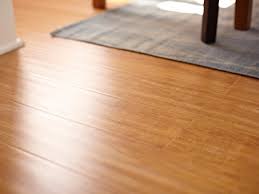
General Cleaning for Laminate Floors
First and foremost, always follow the manufacturer’s care instructions for your new laminate floor. Don’t hesitate to call your manufacturer with questions; it’s better to be safe than sorry. If you inherited a laminate floor when you moved in, plan on taking care of it by sweeping, dusting, or vacuuming up loose dirt. Sweep or vacuum in the direction that your floor is laid to catch debris between the interlocking pieces. Wipe up all spills right away, including dry materials that fall.
Light damp mopping will help if simply wiping is not enough. Exercise caution; avoid overly wet mopping, which can result in water seeping behind baseboards. If there is standing water on the floor after mopping, dry it with a microfiber cloth. When you do mop, use two buckets of water—one for clean water, and one for dirty water. Using a dirty mop head on your floors is usually the reason why annoying streaking appears afterwards. Before you mop, vacuum first instead of sweeping. Vacuuming is much more effective at picking up particles. Just be sure to switch your vacuum setting to a soft brush. Rotating bristles on standard brushes can scratch a laminate floor. Water is really all you need to clean your floor. If you must use cleaner, opt for a manufactured-approved solution designed for laminate. For a homemade laminate floor cleaner, use a small amount of vinegar mixed with water. Never use wax, acrylic products, or bleach because they can damage the floor’s finish.
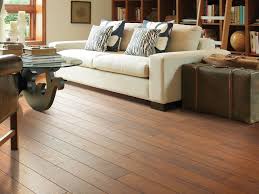
Deep Cleaning
When it comes to deep cleaning laminate flooring, less water is best. That’s because too much water can cause the wood to swell or bubble, fade or make seams separate, While you can use a cleaning product designed specifically for laminate flooring, or you can mix a teaspoon of unscented clear dish soap into a gallon of water. Use a microfiber mop and be careful not to soak the floors. Use this damp mop method every two to three months.
What About Steam Cleaning?
While a steam cleaner is great at getting grim out of some hard-flooring surfaces, it should not be used when cleaning laminate floors. “The intense heat and moisture it uses to get the job done can also wreak havoc on the adhesive used on your laminate floors. “Once the steam and moisture break down the adhesive holding the laminate down it will begin to bubble up and may even come loose.”
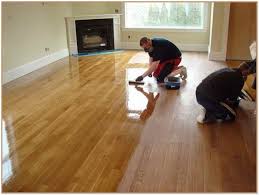
Routine laminate floor cleaning
When it comes to cleaning laminate flooring regularly, a quick sweep and dry brush is all it takes to keep dust, dirt and debris at bay. If you want to give an even more thorough clean, you can use a vacuum.
Before vacuuming, always ensure your vacuum is set to a soft brush as rotating bristles on standard brushes can scratch laminate flooring.
If you’re looking to wipe down the entire surface of your laminate flooring, you can use a mop. But as mentioned, it’s important to keep water levels to an absolute minimum. A mop that has been well-rung and left to stand for ten minutes contains the maximum amount of moisture necessary to clean laminate floor and won’t pose a threat to the wooden composite core. Carpet Call’s Hard Flooring Cleaning Kit is the perfect solution to this problem, as it leaves your laminate floors clean and ready to walk on in 15 minutes after use.
Tip: Close Laminate Floor Plank Gaps to Prevent Damage
Laminate flooring’s particle wood core resists water only when the planks are tightly locked, allowing no moisture to seep downward. Some laminate floors inadvertently have open seams. If your floor has developed gaps near high moisture areas, such as around the kitchen sink or dishwasher, close those gaps to avoid damage to the floor.
To permanently fix this area, run a thin bead of carpenter’s glue in the gap, push the boards together, and then quickly wipe off the excess glue. Lay a strip of painter’s tape over the fix until the glue has dried.
Avoid These Laminate Floor Cleaning Mistakes
No Wet Mops
Wet mops of the same saturation as you might use for a vinyl or concrete floor should be avoided at all times. Keep anything but the driest damp mop away from your floor.
No Waxes or Polishes
Never use waxes or polishes on your laminate floor. Your floor’s surface treatment is already built into the wear layer.
No Abrasives
Abrasive cleaners or anything remotely abrasive should be kept away from your laminate floor. This includes cleaners like Clorox or Bon Ami. While your laminate floor’s wear layer is surprisingly good at avoiding fine scratches, abrasive cleaners will dull it down.
No Steam Cleaning
Steam cleaners are unnecessary on laminate floors and possibly even detrimental. However, if you have a problem spot that is confined to a small area that spans only one floorboard and you are judicious about dispensing moisture to the surface, you may want to try using the hand-held attachment.