What to know about remodeling a bathroom?
Where to start
- Research local building regulations
- Draw an accurate floor plan of your bathroom
- Decide on materials and products
- Secure products, materials, and equipment
Preparation
To prepare for a bathroom renovation, you will need to create a budget. The remodeling budget should include everything you want to add, remove or update in the bathroom. Use Pinterest or Instagram to get inspiration and ideas for materials and potential layouts. Both platforms have click-through capabilities to product pages that can help in getting real estimates of how much the project should cost.
After you’ve found inspiration and researched for the budget, start by creating a floor plan. Measure the dimensions of the bathroom as well as the bathtub, vanity, and toilet. After all of the information is collected, redraw the new products into the floor plan based off of dimensions.
Tips for Choosing A Bathroom Layout
- The Americans with Disabilities Act requires that all door openings should be at least 32″ wide when measured from the open door to the opposite stop, so your actual door should be at least 34″ wide. If you are tight on space, consider a pocket door.
- Check all the hinges that will be used on doors and cabinetry. You want to make sure that no doors can hit each other if both are open. You might want to change the way that a door opens or swings to make sure that there are no issues.
- The height of your ceiling should be at least 80″, except in areas that are not meant for occupancy. Use these areas for storage to make the best use of your space.
- Designers recommend at least 30″ of clearance in front of an item, like the vanity or toilet for comfort reasons. Building codes usually require a minimum of 21″.

Why should you remodel your bathroom?
Bathrooms are a necessary component our daily lives. And remodeling your bathroom can not only have a big effect on your life but also bring a big return on your investment. Whether you choose to do a full remodel or just make a few updates, remodeling your bathroom can transform this small space and make a big impact in your home.
What can you expect to spend when remodeling your bathroom?
One of the most common topics our clients ask us about when it comes to remodeling is the budget. But with each project and home being different, it’s nearly impossible to give a set figure on what a renovation should cost.
When planning your remodel, it’s important to consider is how long you intend to stay in your home. If you think you’ll be selling within the next five years, you’ll want to look at any improvements as an investment.
However, if you’re planning on staying in your current home for longer, choose updates that will make you happiest and make your life easier.
According to Remodeling Magazine, the average budget for an upscale bathroom renovation is about $63,000. It’s important to note some of the specific details that are included in the cost breakdown. For example:
- Flooring
- Shower
- Walls
- Faucets
- Toilet
- Cabinets
- Vanity
- Lighting
- And mechanical costs include anything related to electrical, plumbing, or HVAC.
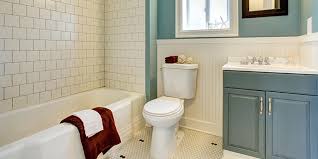
Things to Consider Before You Remodel Your Bathroom
How Much Room Do You Need for a Half Bath?
Theoretically, you can fit a sink and toilet into an 11-square-foot spot and still meet national building codes. But for comfort’s sake, look for an area that’s 3 to 4 feet wide and 6 to 8 feet long. Check local codes for additional requirements, and be sure to check out TOH’s details on dimensions and clearances.
Design for Accessibility
Handheld showers and easy-to-grip lever faucets suit people of all abilities and can be put in any time. But plan permanent features early on. Grab bars should be secured to blocking between wall studs and placed 33 to 36 inches off the floor. Other things to consider: a barrier-free shower, a wider doorway, and a lower sink height. Visit the National Kitchen and Bath Association’s website for more guidelines.
Make Niches for Toiletries
Unlike clunky over-the-showerhead organizers, a recessed cubby in a tub or shower surround gives shampoo and soap a permanent home and doesn’t take up stall space. Size it to minimize tile cuts, and line the bottom with a leftover piece of stone or solid-surface countertop, not tile, so that you won’t have to scrape away scum from grout lines. If you have kids, add an extra cubby around knee height so that they can suds up on their own.
The Right Height for Accessories
There are no hard-and-fast rules about how high to hang towel bars and robe hooks. Designers use the dimensions above as a starting point. Decide where to put things early on so that you can add extra blocking where needed before finishing the walls. If you can, mark potential spots with painter’s tape first, then adjust for comfort.
Amp Up the Wiring
The 15-amp wiring in your prewar house’s bathroom has likely been abused by years of high-power hair drying. So don’t just swap in GFCI outlets. Replace the wiring too, with a dedicated 20-amp circuit and plenty of outlets for all the appliances you use, from electric razors and toothbrushes to hair-straightening irons.
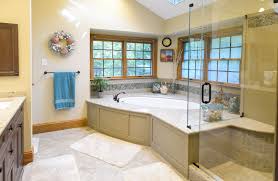
Checklist Before Starting Your Bathroom Renovation
A bathroom renovation is an exciting task. But before jumping to choosing the latest tile or bathtub design, there are some less exciting things to consider so your project turns out just the way you dream it. Because renovating a bathroom can be overwhelming, time-consuming and costly, we prepared a simple 15-point checklist to make sure that your project stays on track and the renovation runs smoothly.
Budget
If you don’t know already you should work up an idea of how much you want to spend on your bathroom renovation. Setting a budget will help guide you as you make decisions about what to include in the remodel. Once you’ve figured out what you can spend and substracted the amount allocated to labor, you’ll have a clearer sense of what you can spend on tile, fixtures, and extras.
Time
Many people assume that if they are remodeling a small bathroom it will only take a few days, or anyway it will take much less time than a larger one. This is not necessarily the case. Depending on how many items you are changing in the bathroom your contractor will have to go through all the same steps as a larger bathroom. However, planning refers not only to defining the duration of the renovation works but also certain intermediate steps such as ordering and purchasing tiles, fixtures, custom-built vanity or cabinets to make sure they can be delivered when your contractor needs them. Planning time is also crucial for those with only one bathroom in their house as they will have to make arrangements where to take a shower and use the toilet while the bathroom is taken apart.
Works sequence
When it comes to bathroom renovation by completing the job in a specific sequence you can save yourself from a lot of clean up time and mistakes. Whether you are demolishing sheetrock or simply repainting, you always want to start at the top of the room. Remodel your ceiling first, walls second, and floors third so you can prevent damage to your new components.
Design style and functionality
When first starting out start by thinking about the look you want for your bathroom. There are many factors to consider like paint color, tile choices, vanities, showers, tubs, faucets, etc. It can get overwhelming very quickly so start with some research. You can start to piece together elements that you like into what will become the final design of the bathroom or you may choose a design item you want to feature in the bathroom and then work the rest of the bathroom design around it.Design should work hand in hand with functionality so consider who will use the bathroom and how, consider an eventual resale of the house and also take a moment to think how the bathroom design will fit in with the rest of the house.